Six Weeks Out: The Training Plan That Gets Your Legs Ready for Tayrona's Jungle Trails
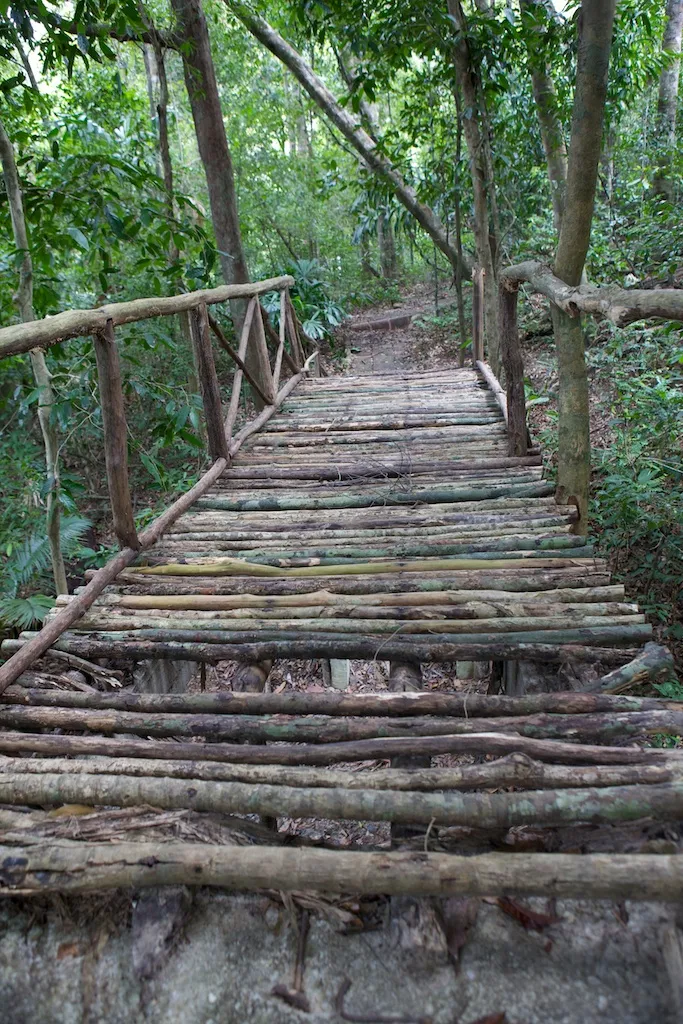
Photo: josef knecht, CC BY 3.0, via Wikimedia Commons
Here's a story that repeats itself in Tayrona National Park roughly every day of high season: a fit-looking traveler, someone who hits the gym three times a week back in Ohio or Texas, gets about forty minutes up the trail to Cabo San Juan and hits a wall. Not a muscle wall. A cardiovascular, sweat-through-your-shirt, why-is-the-air-soup wall.
The problem isn't fitness. It's specificity. Tayrona's trails — and especially the Lost City Trek — demand a particular kind of conditioning that most gym routines never touch. The good news: six weeks of focused prep closes most of that gap. Here's the plan.
What You're Actually Training For
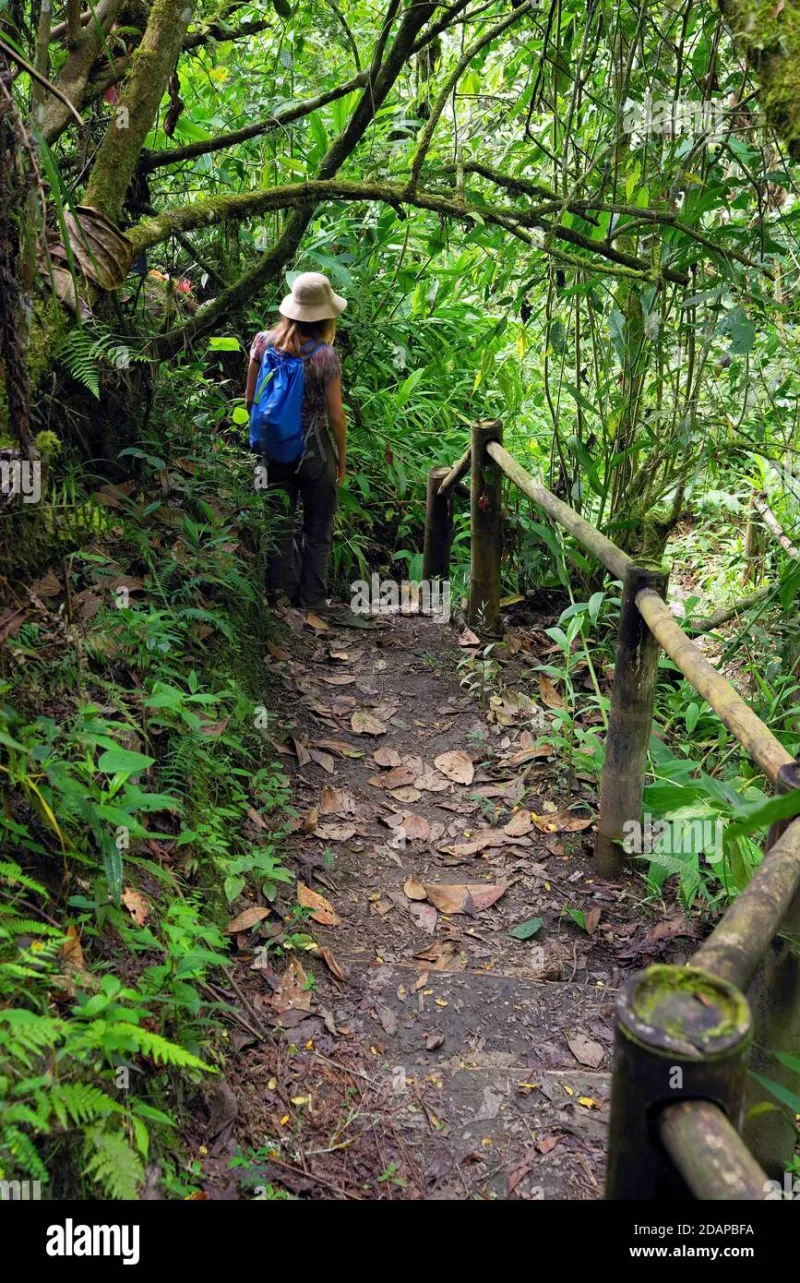
The hike to Cabo San Juan is about 4 kilometers each way through dense jungle, with sustained humidity that regularly sits above 80 percent. The Lost City Trek is a different animal entirely: four to six days, roughly 1,200 stone steps near the summit, river crossings, and muddy slopes that turn your calves into instruments of complaint.
So the training targets are threefold: legs that handle sustained climbing, a cardiovascular system that functions in heat, and the durability to walk for hours with a pack on your back.
Weeks 1–2: Build the Base
Stair work, three times a week. Find a stadium, a stair machine, or the tallest building in your office park. Start with 20 minutes of continuous stair climbing. It's boring. Do it anyway. Nothing replicates jungle trail climbing like stairs.
Two brisk walks or light jogs per week, 30 to 40 minutes. You're building an aerobic base, not training for a 5K.
One leg day: lunges, step-ups onto a box or bench, and calf raises. Three sets each. Your calves are about to become very important to you.
Weeks 3–4: Add Weight and Heat
Stair climbs with a loaded pack. Fill a daypack with 10 to 15 pounds — water bottles work great — and do your stair sessions with it. Increase by a couple pounds each week. This trains your shoulders, hips, and core for the actual trail experience, which your treadmill never will.
Heat acclimation. If you live somewhere cold, this is the piece most people skip and most people regret. Wear an extra layer during workouts, hit a sauna after training (15 to 20 minutes), or do a hot-yoga class once a week. Your body adapts to sweating efficiently within two to three weeks of heat exposure — but only if you give it the chance before you land in the tropics, not after.
One longer session per week: a 90-minute hilly hike or weighted stair session. This is your dress rehearsal.
Weeks 5–6: Simulate the Real Thing
Back-to-back training days. The Lost City Trek isn't one hard day; it's several consecutive ones. Once a week in this phase, do your long hike on Saturday and a moderate 45-minute session on Sunday. Teaching your legs to recover overnight is half the battle.
Push pack weight to 15–20 pounds, roughly what you'll carry on the trek.
Taper the final week. Two easy walks, plenty of sleep, and let your body arrive fresh.
The Gear Checklist
- Broken-in trail shoes with real grip — the jungle gets slick, and new shoes equal blisters
- A moisture-wicking shirt (cotton becomes a wet towel you're wearing)
- A 2–3 liter hydration bladder; you'll drink more than you think
- Electrolyte tabs or powder
- A light rain shell — jungle rain arrives without an appointment
- Blister plasters and a small first-aid kit
- Bug spray with actual DEET
- A dry bag or ziplocks for your phone and passport
The Honest Part
No training plan fully prepares you for Tayrona's humidity, because unless you live in the tropics, you can't replicate air you have to swim through. Expect to sweat more than you ever have while exercising. Expect the last kilometer to Cabo San Juan to feel longer than the first three combined.
But here's what six weeks of stairs buys you: the ability to look up. To notice the monkeys moving through the canopy instead of staring at your feet and bargaining with the trail. The hikers who trained are the ones who arrive at the beach with energy left to enjoy it.
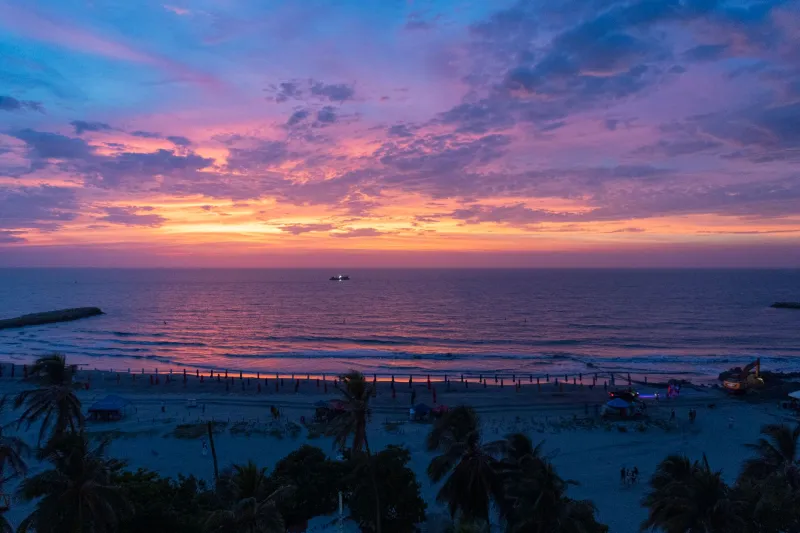
That's the whole point. The fitness isn't the goal — the beach at the end is. The training just makes sure you show up ready to actually be there.