The Guides Who Don't Appear on Any Website — And Why Hikers Keep Hiring Them Anyway
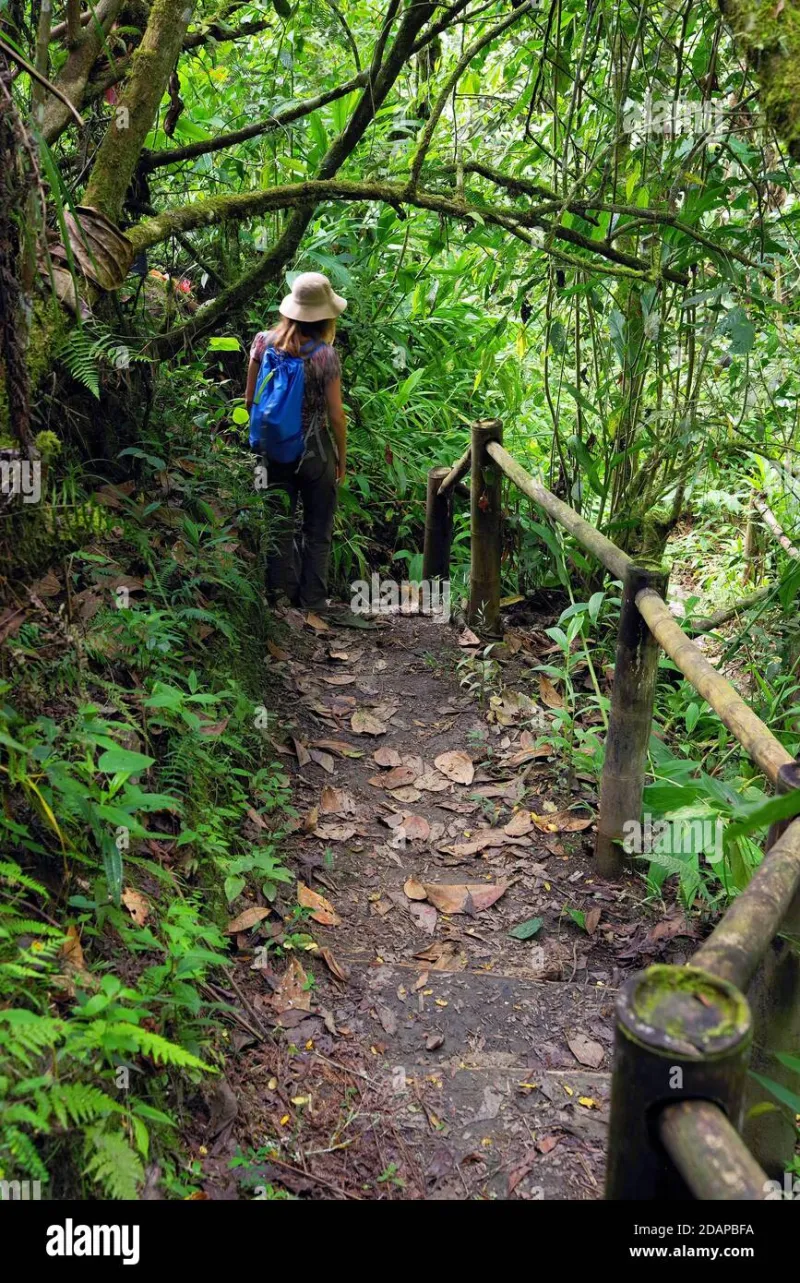
Photo: jungle trail guide Colombia tropical forest hiking path, via c8.alamy.com
He introduces himself as Memo. He's leaning against a wooden post near the Calabazo trailhead with the practiced patience of someone who does a lot of waiting. He's not wearing a vest or carrying a laminated ID badge. He has no TripAdvisor profile. He charges in cash, and the price is whatever the conversation lands on.
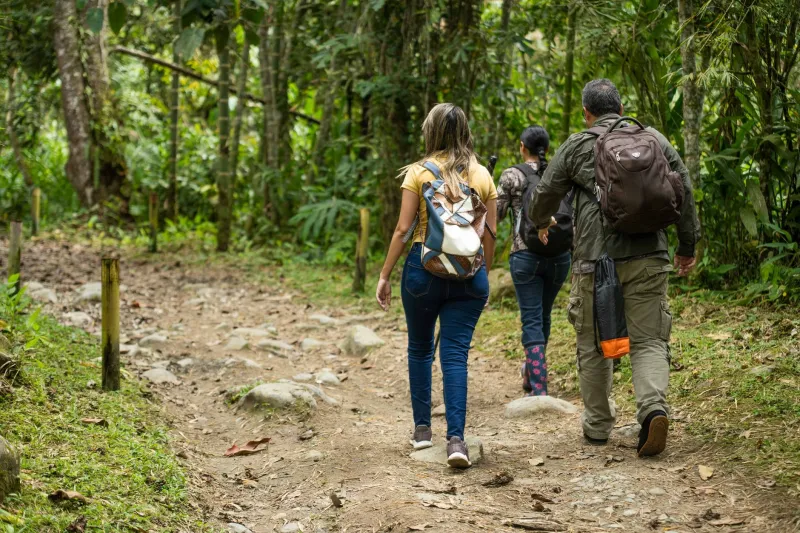
In about forty minutes, he will show a group of hikers from Denver a trail that doesn't appear on any of the official park maps.
This is not unusual.
Around Tayrona National Natural Park, one of Colombia's most visited and ecologically protected stretches of coastline, an informal guide economy has operated for decades. It predates the park's formalization, predates the tourism boom, and — despite occasional crackdowns — shows no signs of going anywhere. Understanding it requires sitting with some genuine ethical discomfort.
How the Informal System Works
The official guide infrastructure inside Tayrona is real and regulated. Licensed guides go through training programs, operate through registered tour companies, and are theoretically accountable to Colombia's national park authority, Parks Colombia. Their routes are approved. Their groups are capped. Their prices are posted.
The informal guides operate differently. Many were born in communities adjacent to the park — villages with roots in the region that predate the park's 1969 establishment. Some are descendants of people who farmed or fished this land. Others are simply locals who grew up exploring a jungle that, technically, they're now supposed to stay out of.
They find clients through word of mouth, through hostel connections in Santa Marta and Taganga, and increasingly through private WhatsApp threads that circulate among backpacker networks. A traveler looking for something off-script asks around; someone gives them a number; a meeting is arranged.
"The official tours are fine," says Marco, a solo traveler from Portland who visited Tayrona last year. "But I talked to people who'd done both, and the difference in what you actually see sounded significant. I made a call."
What They Know That Official Tours Don't Cover
The appeal isn't just about rule-breaking novelty. Experienced informal guides often carry genuinely rare ecological knowledge — the kind built through a lifetime of proximity rather than a training manual.
Memo, who agreed to speak with us on the condition that we not use his full name, describes knowing the park's bird populations by season, the specific hours when certain beaches are visited by marine turtles, the locations of freshwater springs that don't appear on any visitor map. He knows which trails flood after rain and which ones drain fast. He knows the indigenous Kogui communities that still maintain territory inside the park and the unspoken protocols for moving near their land with respect.
"I grew up here," he says simply. "This is not something you learn in a classroom."
For visitors who want depth — ecological, cultural, historical — informal guides often deliver something that structured tourism genuinely cannot replicate.
The Legal and Ethical Reality
None of this is uncomplicated. Let's be direct about that.
Operating as an unlicensed guide inside a protected national park is illegal under Colombian law. The regulations exist for legitimate reasons: to limit ecological impact, to ensure accountability, and to protect visitors who might otherwise be led into genuinely dangerous terrain by someone unqualified to handle emergencies.
There have been incidents. Hikers who followed informal guides into restricted zones and got lost. Tourists who paid upfront and were abandoned. Rare but real.
There are also broader systemic concerns. When tourism revenue flows outside official channels, it can undermine conservation funding mechanisms that depend on park fees and registered operator taxes. The park's ability to maintain trails, manage waste, and fund ranger operations is tied to those formal revenue streams.
And yet.
The communities that surround Tayrona have complicated relationships with the park's formalization — relationships that often involve displacement, restricted access to ancestral land, and economic exclusion from a tourism industry that profits enormously from territory their families once called home. The informal guide economy is, for many families, a form of economic resistance as much as a service.
"My grandfather fished this coast," says one woman who facilitates guide connections in the town of El Zaino, and who asked not to be identified. "Now we need a permit to walk on it. And the people who get the permits are usually not from here."
The Decision Visitors Actually Face
If you're planning a trip to Tayrona and someone offers to connect you with an informal guide, here's what you're actually weighing:
On one side: ecological protection, legal compliance, accountability, and support for the formal systems that (imperfectly) fund conservation. On the other: genuine local economic support for communities with legitimate historical grievances, access to knowledge that official tours don't provide, and a more unfiltered experience of the park.
There's no clean answer. What there is, is a responsibility to make the choice consciously rather than by default.
Travelers who do hire informal guides consistently report being more thorough about vetting — asking for references, insisting on meeting before committing, never paying everything upfront, and telling someone where they're going. Basic precautions that apply to any guide relationship, official or not.
"I don't regret it," Marco says of his experience with an informal guide. "But I also think about it more than I expected to. Which is probably the right response."
Memo is already back at his post by the trailhead when we leave. He's got another group arriving at noon.