Colombia's Caribbean Coast Changed How I Think About Solo Travel — Here's What You Should Know Before You Go
There's a version of this article that opens with a defensive paragraph about how Colombia isn't what you saw in Narcos. We're not writing that version. If you're researching a solo trip to the Caribbean coast, you've probably already done enough reading to know that the country has changed dramatically over the past two decades, and that the gap between its reputation and its reality is one of travel's most persistent disconnects.
Instead, let's talk about what the Colombian coast actually is: one of the most compelling solo travel destinations in the Western Hemisphere, offering the kind of raw natural beauty, cultural depth, and genuine human connection that's increasingly hard to find in places that have been fully optimized for tourism.
This is a practical guide. It addresses real concerns honestly and gives you the logistics to make a smart trip. But it's also, unavoidably, a case for going.
Why the Caribbean Coast Specifically
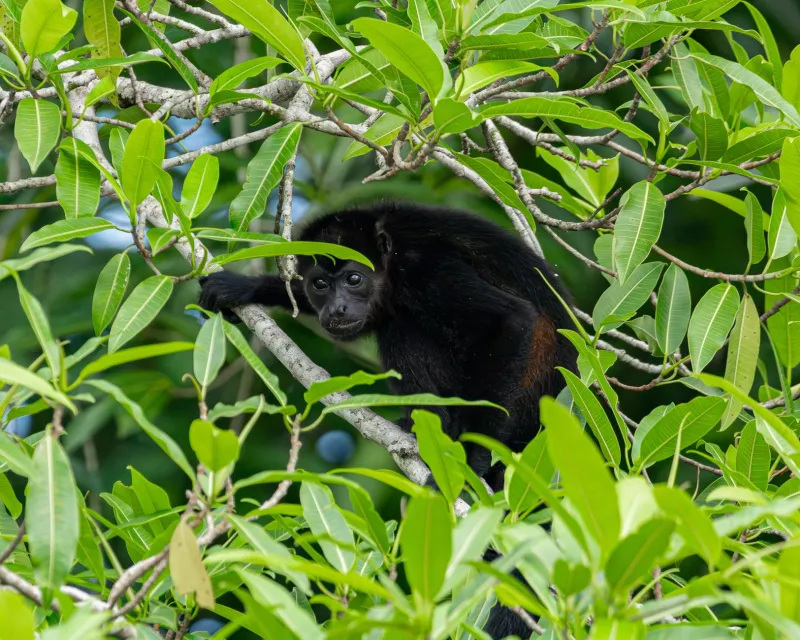
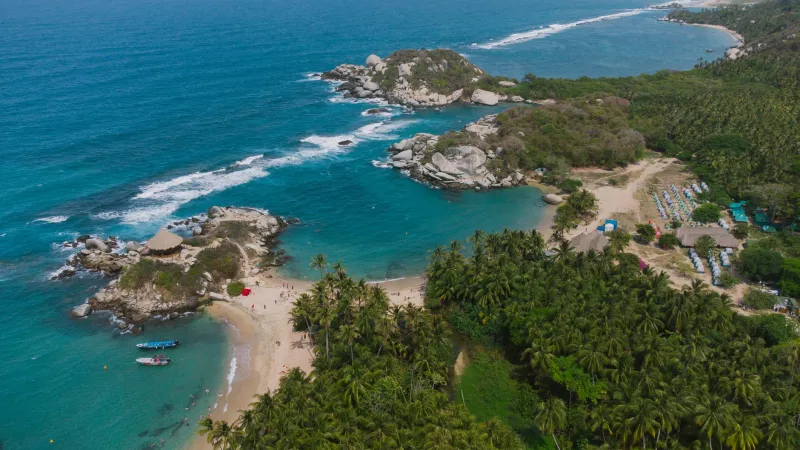
Colombia has plenty of worthy destinations — Medellín's urban energy, the coffee region's pastoral beauty, Cartagena's colonial grandeur. But the Caribbean coast, anchored by Santa Marta and stretching through Tayrona National Park toward the Guajira Peninsula, offers something different: the intersection of jungle, mountain, and sea in a way that exists almost nowhere else on the planet.
The Sierra Nevada de Santa Marta rises from sea level to nearly 19,000 feet within 26 miles of the coast. That compression of ecosystems creates biodiversity that genuinely staggers ecologists, and for the traveler, it means you can swim in the Caribbean in the morning and be hiking through cloud forest by early afternoon.
Compare that to, say, Cancún or Nassau — beautiful in their way, but built around a resort infrastructure that keeps you comfortable and separate from anything genuinely local. The Colombian coast hasn't been packaged that way yet, which is both its challenge and its enormous appeal.
The Safety Question, Answered Honestly
The US State Department currently rates Colombia at Level 2 (Exercise Increased Caution), the same rating applied to France, Germany, and Belgium. That context matters. No destination is without risk, and pretending otherwise would be doing you a disservice.
Here's what the risk landscape actually looks like for a solo traveler sticking to the Santa Marta–Tayrona corridor:
Petty theft is the most realistic concern, particularly in Santa Marta's busier neighborhoods and on crowded public transportation. This is manageable with standard urban travel practices: use a crossbody bag with a zipper, keep your phone in your pocket rather than your hand, and don't walk around late at night in unfamiliar areas displaying expensive gear.
Scams targeting tourists exist, mostly in the form of overpriced transportation and unofficial 'guides' at park entrances. Knowing the standard rates in advance — a mototaxi from El Zaino to Calabazo should run about 10,000–15,000 pesos, for reference — eliminates most of this friction.
Remote trail safety in Tayrona is a genuine consideration, not because of crime but because the terrain is serious. Don't hike alone in unfamiliar backcountry, let your accommodation know your plans, and download offline maps before you lose cell signal.
The coast's main tourist zone — Santa Marta, Taganga, the Tayrona park area — sees enormous numbers of international visitors, including many solo US travelers, without serious incident. The infrastructure of safety that comes with a well-traveled route exists here.
Logistics That Actually Matter
Getting there: The closest international airport is Simón Bolívar International in Santa Marta (SMR), with connections through Bogotá on Avianca and LATAM. Alternatively, fly into Cartagena (CTG) and take the roughly 4-hour bus to Santa Marta — a scenic route that passes through fishing villages and gives you a ground-level introduction to the coast.
Base camp: Santa Marta is the practical hub. It's a real city, not a tourist bubble, with a range of accommodation from $15-a-night hostels in the historic center to boutique hotels in the El Rodadero beach neighborhood. The Masaya Santa Marta hostel has a strong reputation among solo travelers for its community atmosphere and reliable information on local conditions.
Getting to Tayrona: Shared minibuses (busetas) run regularly from Santa Marta's market area to the park's Zaino entrance for around 10,000–15,000 pesos. It takes 45–60 minutes. Taxis are available but cost significantly more. The buseta is fine and gives you a more local experience.
Money: ATMs are available in Santa Marta but unreliable inside the park. Carry enough cash for your entire park stay before you enter. Most park accommodations — hammocks, camping, basic cabins — operate on cash only.
Language: English proficiency is limited outside tourist-facing businesses. Basic Spanish goes a long way and is genuinely appreciated. Download Google Translate with the Spanish pack for offline use.
Community Tourism: The Better Way to Travel Here
Some of the most meaningful experiences on the Colombian coast come through community-based operators — organizations run by local families and indigenous communities that offer guided experiences while keeping economic benefits in the region.
Near Tayrona, the Kogi and Wiwa indigenous communities offer cultural exchange programs and guided hikes that provide context you simply cannot get from a standard tour operator. These aren't performative cultural experiences — they're real conversations about land stewardship, spiritual geography, and the relationship between the Sierra Nevada's communities and the ecosystems they've managed for generations.
In the fishing village of Taganga, small family operations offer snorkeling and diving trips to coral formations that see a fraction of the traffic of better-known Caribbean dive sites. Prices are significantly lower than comparable experiences in Belize or the Bahamas, and the money goes directly to families rather than international resort chains.
What US Travelers Actually Say After Going
The pattern among Americans who've made this trip is remarkably consistent: initial nervousness dissolving quickly once they arrive, followed by a growing sense that they'd been carrying an outdated mental map of the place.
One traveler from Denver described arriving in Santa Marta expecting to feel constantly vigilant and instead finding a city where people were genuinely warm and curious about her, where strangers gave her directions without being asked, and where the biggest challenge was deciding between the beach and the jungle on any given morning.
Another solo traveler from Portland spent two weeks moving between Tayrona, the Guajira Peninsula, and the colonial streets of Mompox. His main complaint? He didn't book long enough.
The transformation these travelers describe isn't dramatic. It's quieter than that — a recalibration of what travel can feel like when you're somewhere that hasn't been pre-digested for you.
The Honest Bottom Line
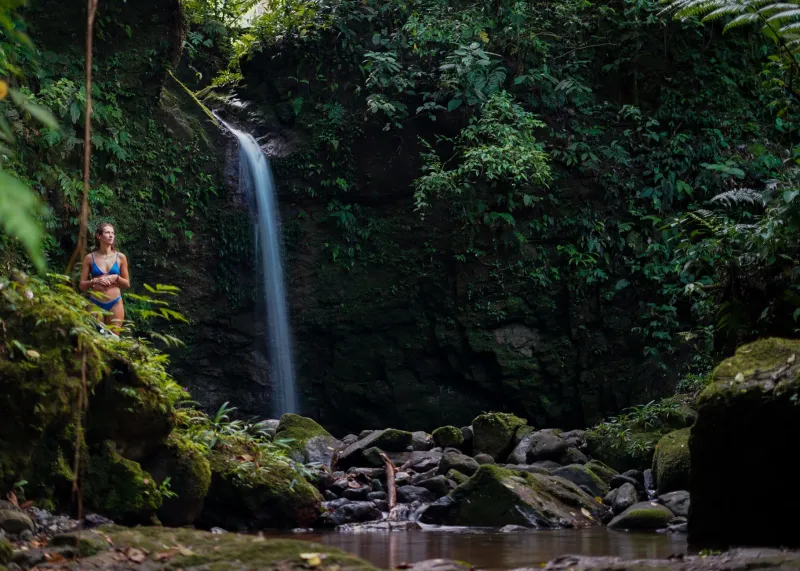
Colombia's Caribbean coast isn't a destination for travelers who need everything smoothed out in advance. Infrastructure exists but isn't always predictable. Plans change. Buses run late. The best waterfall you'll find might not have a name on any map.
For the solo traveler who finds that kind of uncertainty energizing rather than stressful, this stretch of coastline offers a quality of experience that's genuinely difficult to find elsewhere in the Caribbean basin — at a price point that makes extended stays realistic for most US budgets.
The question isn't really whether it's safe enough to go. The question is whether you're ready for a trip that asks something real of you.
Most people who go say yes.