How to Actually Experience Tayrona Like You Live There (Not Like You Flew In From Newark)
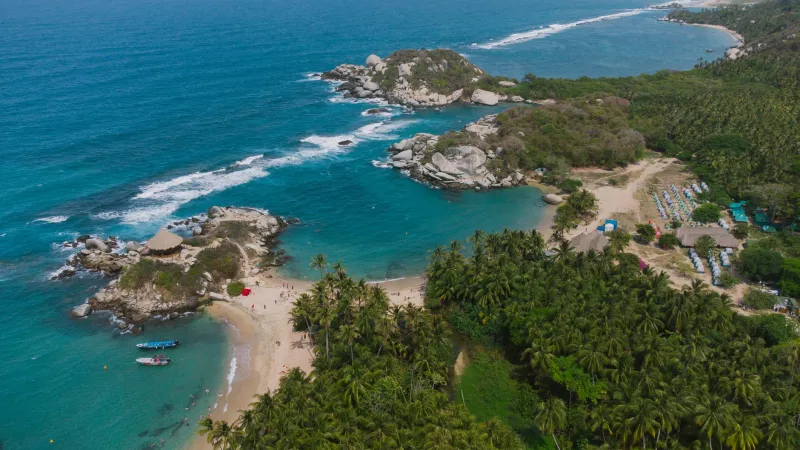
There's a version of a Tayrona trip that looks great on paper: fly into Santa Marta, grab a collectivo to the park entrance, hike to Cabo San Juan, eat at the concession stand, sleep in a hammock, repeat. You'll see beautiful things. You'll get some photos. You'll go home with a tan and a general impression of Colombia as a place with good beaches.
And then there's the other version — the one where you actually talk to people, eat food that wasn't made for tourists, and come home understanding something about how life on Colombia's Caribbean coast actually works. That version takes a little more effort and a willingness to slow down. It's also significantly better.
Start in Santa Marta, Not at the Park Gate
Most travelers treat Santa Marta as a logistics hub — a city you pass through on the way to somewhere else. That's a mistake. The city has a historic center (El Centro Histórico) that's genuinely worth a day or two, and it's also where you'll start building the local connections that make the rest of your trip richer.
Stay in a family-run guesthouse rather than a chain hotel. The Minca road neighborhood and the streets around Parque de los Novios have small hospedajes where the owners are often from fishing families with roots along the coast. Ask them questions. Where do they eat? Who do they know near Tayrona? Do they have family in Taganga or Palomino? These conversations are the beginning of a different kind of itinerary.
Eat at places without English menus. Order the bandeja paisa or whatever the daily set lunch (the corrientazo) happens to be. It'll cost you two or three dollars and taste better than most things you'll find at a tourist-facing restaurant.
Taganga: The Fishing Village That's Still Mostly Itself
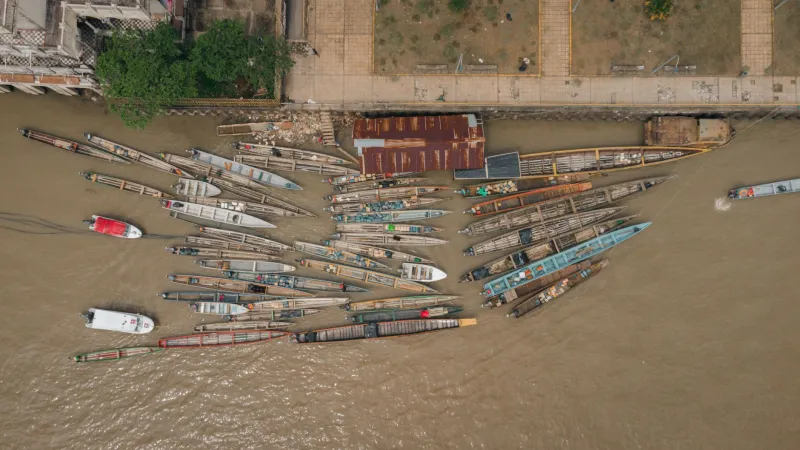
Just a few kilometers from Santa Marta, Taganga is a small fishing village that tourism has touched but not fully transformed. Early mornings here are worth setting an alarm for — fishing boats come in before sunrise, and the waterfront activity that follows is as close to unscripted local life as you're going to find this close to a major city.
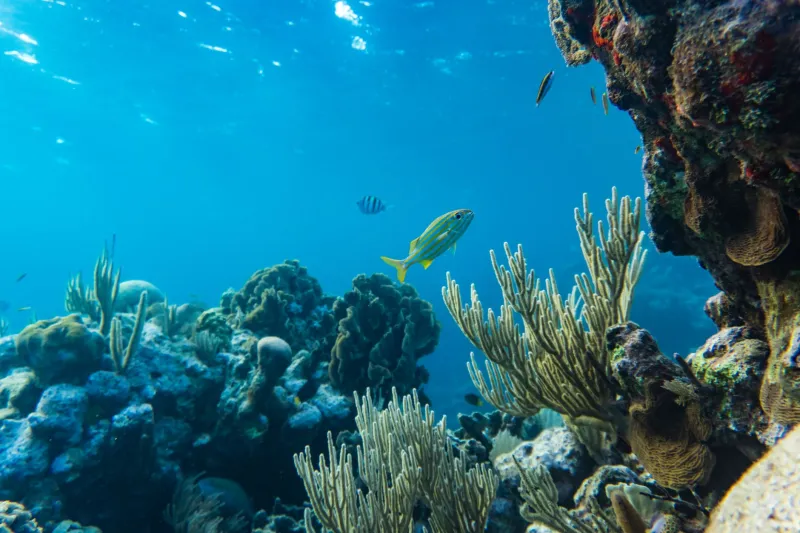
Some families in Taganga offer informal boat trips along the coast, including access to coves and snorkeling spots that don't appear on any commercial tour itinerary. These aren't advertised online. You find them by asking around on the waterfront, or by staying a night in one of the small family-run places near the water and letting the conversation go where it goes.
A word on spending: when you hire a local boat, buy your fish from the guys on the dock, or eat at a family kitchen rather than a restaurant with a printed menu, the economic benefit stays in the community in a way that booking through a large tour platform generally doesn't. It's not a complicated concept, but it's worth being intentional about.
Cabañas Over Campgrounds: The Case for Family-Run Stays
Inside Tayrona, accommodation options are deliberately limited — that's by design and mostly a good thing. But the areas just outside the park boundaries have a growing number of family-run cabañas that offer something the park's official accommodation can't: actual human connection.
Look for places in the small communities near the park's entrances, particularly around Calabazo and along the road toward Palomino. These aren't boutique hotels with curated design and a rooftop bar. They're often just a family's home with a few extra rooms, a hammock on the porch, and a woman in the kitchen making breakfast who will absolutely talk to you if you make the effort.
Some of these families have been in the region for generations. They know the trails better than any guidebook. They know which beaches flood in the wet season and which ones get calm. They know the fishermen who'll take you out before dawn if you want to see the coast from the water. That knowledge is worth more than a thread count.
Indigenous Guides: The Difference Between Seeing and Understanding
The Sierra Nevada is home to Indigenous communities — primarily the Kogi, Arhuaco, and Wiwa — who have a relationship with this landscape that goes back centuries. Some members of these communities offer guided experiences in and around the park, and the difference between walking with one of these guides and walking with a general tourism operator is significant.
Indigenous-led tourism in Colombia is an evolving space, and it's important to engage with it thoughtfully. Look for guides who are affiliated with recognized community organizations rather than intermediaries who are marketing "Indigenous experience" as an aesthetic. Organizations like the Confederación Indígena Tairona have worked to create frameworks for ethical tourism engagement — doing a little research before you arrive goes a long way.
When you do walk with an Indigenous guide, listen more than you talk. The knowledge being shared — about plants, about water systems, about the relationship between the Sierra and the coast — isn't a performance. It's a living way of understanding a place that most visitors will never access through any other means.
Food as a Way In
Coastal Colombian food is one of the most underrated culinary traditions in the Americas, and the area around Tayrona is a good place to eat your way into understanding it. Look for:
- Cazuela de mariscos: a rich seafood stew that varies by cook and by what came in that morning
- Patacones con hogao: fried plantain with a tomato-onion sauce that shows up everywhere and is somehow always good
- Fresh coconut rice (arroz con coco): a coastal staple that's nothing like the coconut rice you've had anywhere else
- Enyucado: a sweet cassava cake that you'll find at roadside stalls and family kitchens
The rule of thumb is simple: if it's being made by one person in a small kitchen and there are plastic chairs, you're probably in the right place.
The Mindset Shift That Makes All of This Work
None of these recommendations require special access or insider knowledge that's hard to come by. What they require is a willingness to move slower, spend a little more time in places that aren't on the highlight reel, and treat the people you meet as something other than scenery.
Tayrona is genuinely spectacular. The park will deliver on its reputation. But the communities around it — the fishing families, the Indigenous guides, the women cooking in roadside kitchens — are what make this corner of Colombia feel like a place rather than a product. That's the version worth traveling for.