The Villages Around Tayrona Are Giving the Park Itself a Run for Its Money
Here's a travel confession: I've spent more time in the towns surrounding Tayrona National Park than inside it, and I don't regret a single hour of that trade-off.
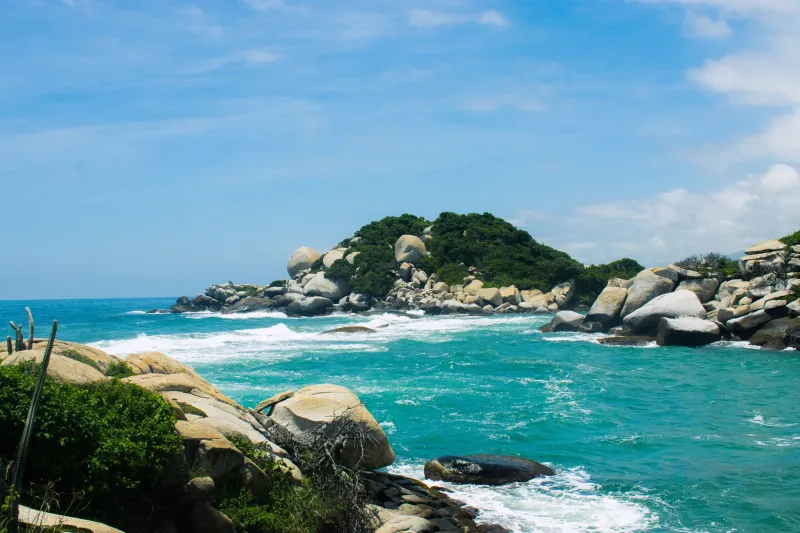
This isn't a knock on the park. Tayrona is spectacular — genuinely one of the more remarkable stretches of coastline on the planet. But the communities that ring it, the fishing villages and market towns and sleepy Caribbean pueblos that most visitors blow past on their way to the park entrance, offer something the park itself can't: actual human life, in all its messy, generous, delicious complexity.
If your Colombia itinerary is just "fly into Santa Marta, go to Tayrona, fly home," you're leaving the best parts on the table.
Palomino: The Town That Figured Out Slow Travel Before It Was Trendy
About an hour east of Santa Marta along the coastal highway, Palomino sits at the mouth of the Palomino River where it empties into the Caribbean. It's the kind of place that people visit for two nights and leave two weeks later, blinking in mild confusion at how that happened.
The main draw that gets people through the door is tubing — renting an inner tube and floating down the Palomino River from the jungle into the sea. It sounds like a novelty. It is, in fact, legitimately one of the more enjoyable two hours you can spend in this part of Colombia. The river moves through dense vegetation, occasionally opens into broader stretches with mountain views, and deposits you, eventually, on a beach where the fresh water meets the Caribbean.
But Palomino's real value isn't the tubing. It's the pace.
The town has a handful of genuinely good restaurants — Donde Chucho is the local legend for fresh fish, and the kitchen at Finca Escondida does things with coconut rice that will recalibrate your expectations for the dish permanently. There are small guesthouses and eco-lodges with hammocks on their porches and no particular agenda for your day. The beach is long, relatively uncrowded, and backed by palms rather than resort infrastructure.
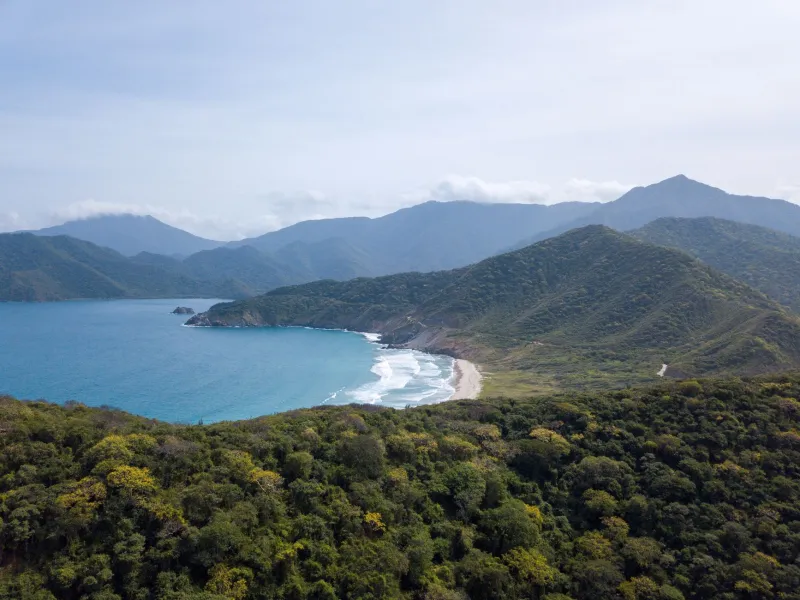
Palomino also sits at the edge of the Sierra Nevada de Santa Marta, which means the mountains are visible from the beach on clear days — a genuinely surreal visual combination that you don't get inside the park itself.
For solo travelers especially, Palomino has an informal, communal energy that makes it easy to meet people. The guesthouses tend to be social. The restaurants are small enough that you end up talking to whoever's at the next table. It's the kind of place that rewards lingering.
Taganga: Scrappy, Chaotic, Completely Itself
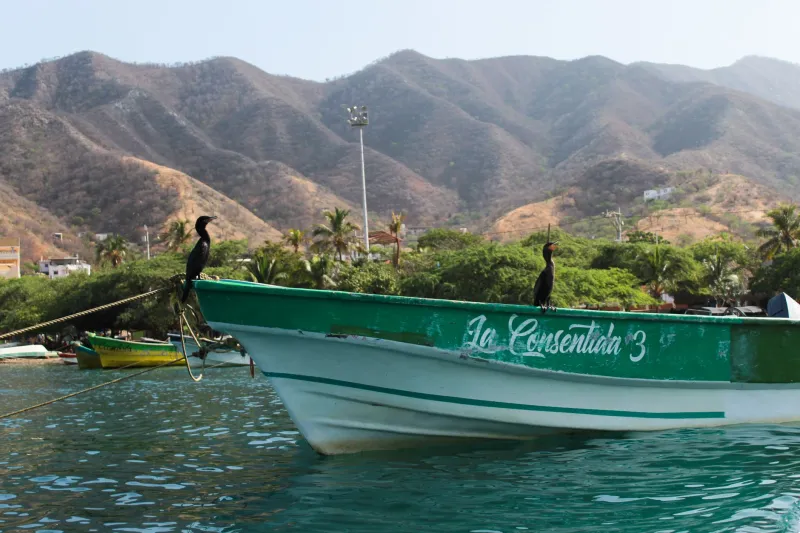
Taganga is not for everyone. It's a fishing village that got discovered by backpackers in the early 2000s and has been in a permanent state of identity negotiation ever since — part working fishing community, part dive hub, part budget traveler crash pad.
It's also one of the more affordable places to get PADI certified in the entire Western Hemisphere, which draws a specific kind of traveler: people who are there to learn to dive, not to perform a lifestyle on social media. That creates a refreshingly unpretentious atmosphere.
The seafood in Taganga is some of the best on this stretch of coast, and it's priced for locals rather than tourists. The market near the waterfront in the early morning — fishermen unloading their catch, vendors setting up, the whole choreography of a working port — is worth waking up for even if you're not buying anything.
Taganga is also a practical base for day trips into Tayrona. The park's Bahía Concha section is accessible by boat from here, which is a genuinely pleasant way to arrive — coming in from the water rather than hiking the land trail.
Aracataca: A Pilgrimage for the Literarily Inclined
About an hour inland from Santa Marta, in the banana-growing lowlands that stretch toward the Sierra Nevada foothills, sits Aracataca. You might know it by its other name: Macondo.
Gabriel García Márquez was born here in 1927, and the town was the direct inspiration for the fictional Macondo of One Hundred Years of Solitude. If you've read the book — and if you haven't, this is a good reason to before you go — walking through Aracataca is a peculiar, layered experience. The heat is exactly as described. The yellow butterflies that appear in the novel actually exist here. The town's relationship with magical realism isn't a literary device; it's something in the air, in the way people talk, in the cadence of daily life.
The Casa Museo Gabriel García Márquez — the house where he was born, now a museum — is modest and genuinely moving. The town itself is not a tourist destination in any polished sense. It's a small Colombian city going about its business, which is precisely what makes it interesting.
If you're building an itinerary around the Caribbean coast, a half-day in Aracataca adds a cultural dimension that the beach-and-jungle experience of Tayrona simply can't provide.
The Fishing Communities Along the Highway
Between Santa Marta and Palomino, the coastal highway passes through a series of small communities that most visitors experience only as a blur from a bus window. This is a mistake.
Places like Buritaca and Guachaca have small beaches, local restaurants serving the catch of the day, and almost zero tourist infrastructure — which means the people there are talking to you because they want to, not because you represent a transaction. The food at these roadside spots is often extraordinary: whole fried fish, patacones, coconut lemonade, cazuela de mariscos if you're lucky enough to be there when someone's made it.
The practical approach is to hire a driver for a day out of Santa Marta and ask them to stop when something looks interesting. Most drivers who work the tourist routes know these communities well and can point you toward the right spots.
How to Engage Without Being That Tourist
A few principles worth keeping in mind as you explore these communities:
Learn basic Spanish before you go. You don't need fluency — you need enough to order food, ask directions, and show that you made an effort. It makes an enormous difference in how you're received.
Spend money locally. Eat at family-run restaurants rather than the places catering obviously to foreigners. Buy fruit from market vendors. Stay at locally-owned guesthouses when you can. The economic impact of where you spend your money matters in small communities.
Ask before photographing people. This should be obvious but apparently needs repeating. A fishing village is not a living museum. The people going about their day are not props for your travel content.
Move slowly. The temptation to hit five towns in three days is real and almost always wrong. Two nights in Palomino will give you more than a single frantic afternoon ever could.
The Park Is Great. The Context Is Better.
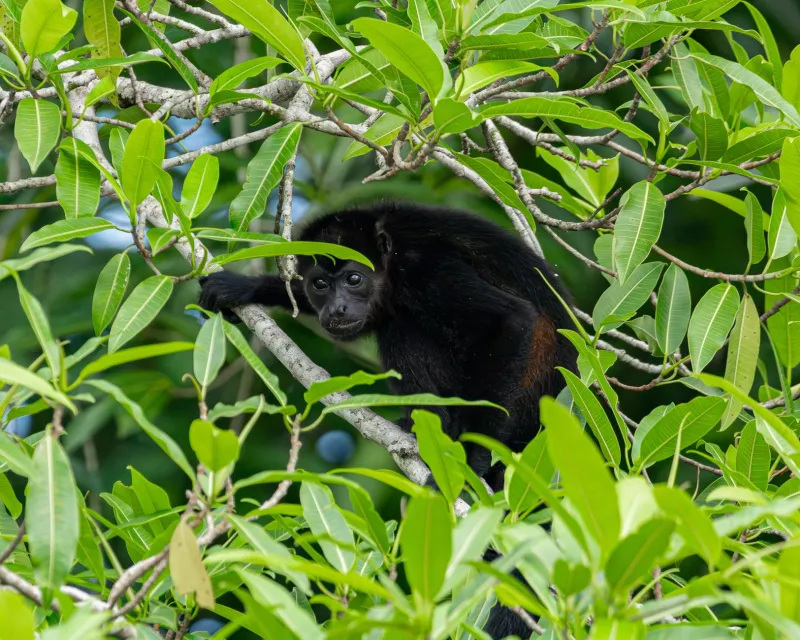
Tayrona National Park is a genuinely world-class destination. The beaches, the jungle, the wildlife — it delivers on its reputation.
But a park doesn't exist in isolation. It's embedded in a landscape, a culture, a history, a set of communities that shaped it and were shaped by it. The towns around Tayrona are that context made visible and walkable and delicious.
The travelers who come home from this part of Colombia with the best stories aren't always the ones who logged the most miles of jungle trail. Sometimes they're the ones who spent a morning watching fishermen work in Taganga, or sat in Aracataca in the same heat García Márquez described, or floated down a river in Palomino with no particular plan for what came next.
That's the Colombia that stays with you.