More Visitors, More Problems — And More Hope: The Complicated Truth About Tayrona's Future
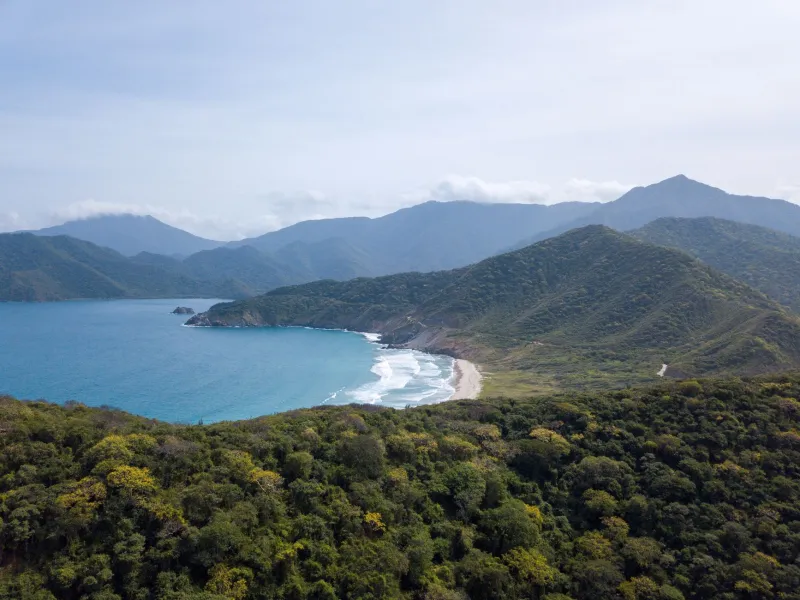
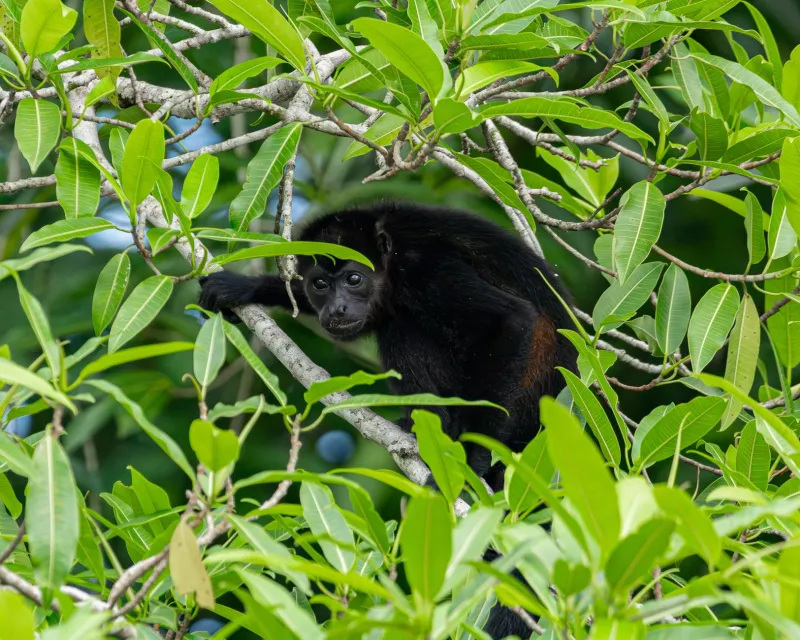
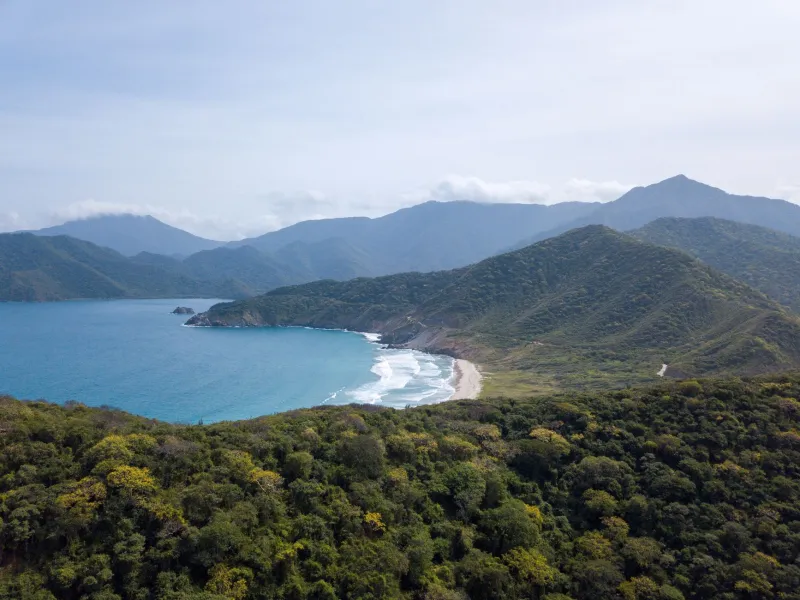
There's a version of the Tayrona story that's purely inspirational. A wild, biodiverse stretch of Colombia's Caribbean coast where coral reefs meet jungle-draped mountains, where howler monkeys rattle the canopy at dawn and white-sand beaches stay relatively uncrowded compared to anything you'd find in the Caribbean resort belt. That story is real.
There's another version where the trails are eroding, the coral is stressed, and a park that was never designed to absorb hundreds of thousands of visitors per year is quietly buckling under the weight of its own popularity. That story is also real.
Both versions are happening simultaneously, and if you're planning a trip to Tayrona — or if you care at all about wild places surviving into the next generation — it's worth understanding how those two realities coexist.
The Revenue Question Nobody Wants to Answer Honestly
Here's the uncomfortable math. Tayrona National Natural Park charges entrance fees, and those fees — combined with concession revenue from the lodges and camping operators permitted to run inside park boundaries — generate funding that flows back into conservation infrastructure. Trail maintenance, ranger salaries, habitat monitoring, and restoration programs all depend on that income stream.
Parques Nacionales Naturales de Colombia, the agency overseeing the park, has used visitor revenue to support coral reef rehabilitation efforts along the park's marine zone, fund wildlife population surveys, and maintain the physical infrastructure that keeps human movement channeled away from the most sensitive areas. Without tourists, a lot of that work simply doesn't happen. The money is real, and it does real things.
But here's the catch: the same tourists generating that funding are also the primary source of ecological pressure. More visitors means more trail compaction, more noise disruption to nesting and feeding behavior, more waste management challenges, more demand on freshwater sources, and more cumulative stress on a coastal ecosystem that was already operating near its natural limits before it became a bucket-list destination.
What the Visitor Cap Actually Does (and Doesn't Do)
Tayrona operates under a daily visitor limit — a cap designed to prevent the park from being overwhelmed on any single day. The system has been adjusted over the years, and the park has periodically closed entirely for environmental recovery periods, typically during the first few months of the year. Those closures are genuinely productive. Vegetation rebounds. Wildlife behavior normalizes. Beaches that were showing signs of compaction and erosion get a chance to stabilize.
The problem is that visitor caps manage daily flow, not cumulative annual pressure. A park that receives 400,000 to 500,000 visitors per year — figures that have been reported for Tayrona in recent years — is absorbing a significant long-term load even if no single day crosses the threshold. The cap prevents the worst-case scenario on any given Tuesday, but it doesn't fully address what happens when that Tuesday is repeated hundreds of times across a calendar year.
Researchers studying protected areas in high-tourism zones have noted that even well-managed caps tend to concentrate visitors in the same accessible corridors, which means the ecological impact isn't evenly distributed. In Tayrona, that plays out visibly — the trails and beaches closest to the main entrances carry a disproportionate share of foot traffic, while more remote sections of the park remain genuinely wild.
Coral, Jungle, and the Slow Damage Calculus
The marine side of Tayrona's story deserves its own attention. The park's underwater zone encompasses coral reefs that are among the more intact examples on Colombia's Caribbean coast — not pristine by global standards, but significantly healthier than reefs in heavily developed coastal areas nearby. Water quality, sedimentation, and physical contact from snorkelers and divers all represent ongoing threats.
On land, the picture is similarly mixed. Tayrona's forests provide habitat for species ranging from jaguars — rarely spotted but present — to dozens of endemic bird species and the kind of reptile and amphibian diversity that makes herpetologists genuinely excited. Habitat fragmentation from tourism infrastructure, even the relatively low-impact eco-lodge style development permitted inside the park, creates edge effects that ripple outward from the built footprint.
Restoration projects have targeted specific degraded zones, with native species replanting efforts and the removal of invasive plants that moved in along disturbed trail margins. These projects work, slowly. But they require sustained investment and, critically, a reduction in the disturbance pressure that created the degradation in the first place.
The Indigenous Dimension Most Guides Skip Over
Any honest accounting of Tayrona's conservation picture has to include the Kogui and Wiwa communities whose ancestral territory overlaps with the park's boundaries. These communities have a deeply rooted relationship with this landscape that predates the national park designation by centuries, and their traditional ecological knowledge has been increasingly recognized — at least in principle — as relevant to how the park is managed.
The tension between park administration, tourism operators, and indigenous land rights is real and ongoing. Conservation decisions made without meaningful indigenous participation tend to be less effective and less legitimate. Some of the most promising habitat protection in the Tayrona region has come from areas where indigenous stewardship remains active, which suggests that the most durable conservation model here isn't purely a government-and-tourism-revenue story.
What a Visitor Actually Controls
If you're reading this because you're planning a trip, here's the honest takeaway: you can't single-handedly solve the Tayrona paradox, but your choices inside the park are not meaningless.
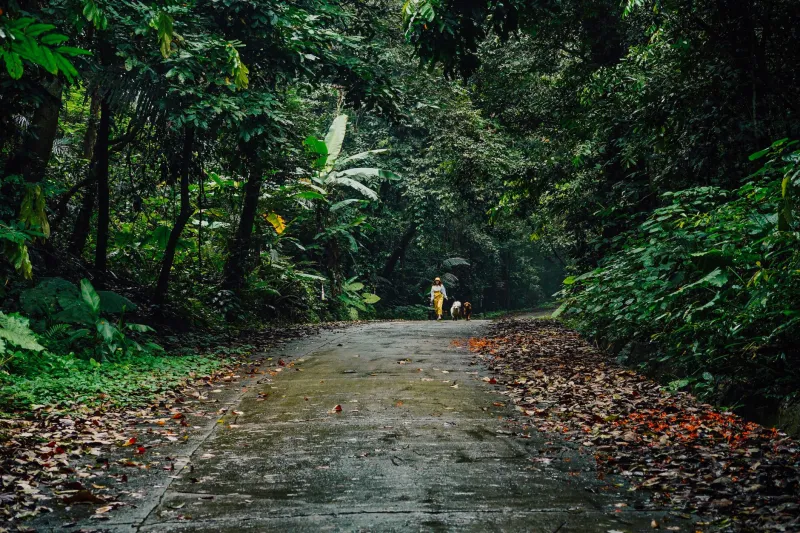
Sticking to designated trails matters more than it sounds — the compaction and erosion that come from casual off-trail wandering add up across thousands of visitors. Booking through permitted, licensed operators rather than informal or unlicensed alternatives keeps revenue inside the regulatory system where it can be tracked and directed toward conservation purposes. Visiting during shoulder season rather than peak holiday weeks distributes pressure more evenly across the calendar.
And probably the most underrated thing you can do: take the time to actually understand what you're looking at. Visitors who understand the ecological significance of what they're experiencing tend to behave differently than visitors who are there primarily for the Instagram moment. That's not a judgment — it's just a pattern that shows up consistently in how protected areas fare over time.
A Wild Place Holding On
Tayrona isn't dying on any single dramatic timeline. It's doing something more complicated and harder to communicate — it's persisting under pressure, recovering in patches, degrading in others, and depending on a fragile combination of institutional management, tourism economics, indigenous stewardship, and visitor behavior to stay on the right side of an ecological tipping point.
That's not a comforting story, but it's a true one. And it's worth knowing before you book your flights to Santa Marta.