The Mountain Is Alive to Them: What the Kogui Want Visitors to Understand Before Setting Foot in Tayrona
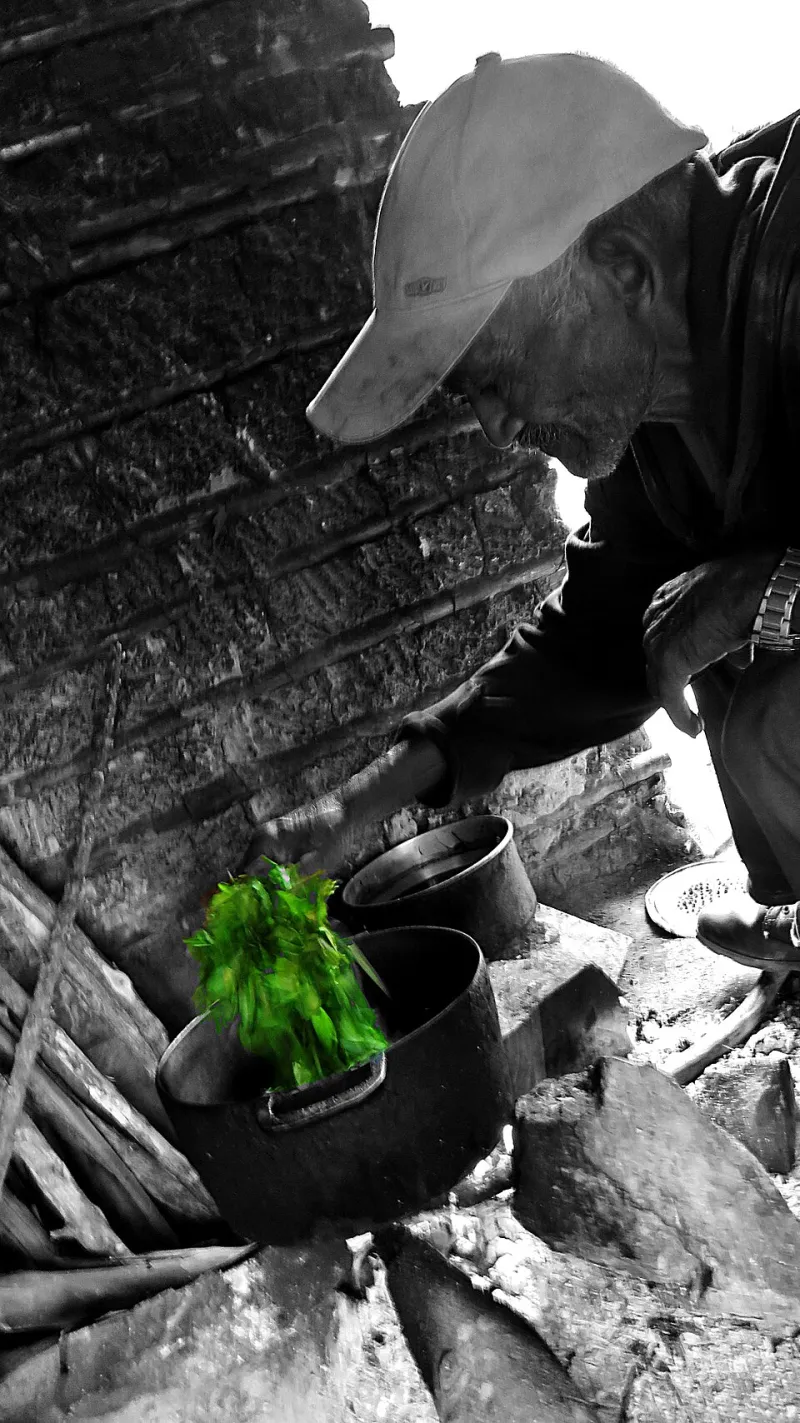
Photo: Jusezam, CC BY-SA 3.0, via Wikimedia Commons
Every year, Tayrona National Park closes its gates for a few days and almost nobody asks why.
The closures happen because the park isn't empty land. It sits within the heartland of the Kogui, Arhuaco, and Wiwa peoples — descendants of the Tayrona civilization — for whom the Sierra Nevada de Santa Marta isn't scenery. It's a living relative, a temple, and the center of the universe, all at once. The closures are periods of spiritual replenishment, when the mountains are allowed to rest from the weight of visitors.
Understanding that single fact changes how you walk through the park.
The Black Line and the Living Territory
The Kogui trace their territory with the Línea Negra — the Black Line — a ring of sacred sites encircling the Sierra Nevada. The coastline, including Tayrona's beaches, falls inside it. When you hike the trail to Cabo San Juan, you're walking through someone's ancestral homeland, not an undeveloped paradise waiting to be discovered.
The Kogui still live in the highlands above the park in traditional villages, growing corn, raising cattle in small numbers, and maintaining practices that predate the Spanish by centuries. Many wear the white robes and conical hats you'll see in photos. Some come down to the coastal towns to trade.
The Etiquette That Actually Matters
Most visitors mean well and still get it wrong. The basics:
Don't photograph people without asking — and accept that the answer may be no. For many Kogui, photographs are believed to take something from the person. A refused photo isn't rudeness; it's conviction. Ask with a gesture, a smile, and respect the reply.
Don't treat people as photo props or purchase access. Some travelers pay for portraits. This turns a living culture into a vending machine and pressures communities in ways that outlast your vacation.
Stay on the trails. Sacred sites exist along the coast, some unmarked. Wandering off-path isn't just an erosion problem here.
Buy consciously. Handwoven mochilas (bags) sold by Arhuaco and Kogui vendors are the real thing when bought from the maker. The armbands sold on every beach corner by intermediaries often aren't.
Where Your Tourism Dollars Actually Go
Park entrance fees fund conservation and support the communities inside the park's area of influence. Hiring Indigenous guides, buying directly from weavers, and choosing locally owned lodgings in the villages around the park — places like Palomino and Buritaca — keeps money in the communities that have protected this landscape long before it was a national park.
The alternative is what happens everywhere else: a culture flattened into a backdrop for Instagram, and a people with no stake in the tourism that surrounds them.
Why This Should Matter to Your Trip
There's a version of Tayrona tourism where visitors treat the park like a beach with a jungle screensaver. And there's a version where you arrive knowing the mountains are tended, the closures are ceremonies, and the people in white robes aren't costumed attractions but the reason this coast is still wild at all.
The second version is better. It's not close.
Go to Tayrona. Swim at Cabo. Watch the sun drop into the Caribbean. But walk in knowing you're a guest in someone's oldest home — and behave like one.