Young, Colombian, and Building Something in the Shadow of a National Park

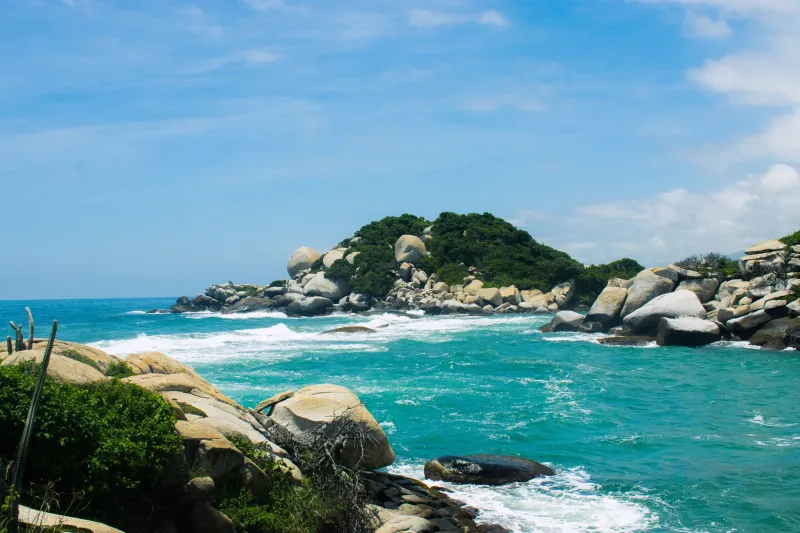
Photo: Patricia Arévalo, CC BY-SA 4.0, via Wikimedia Commons
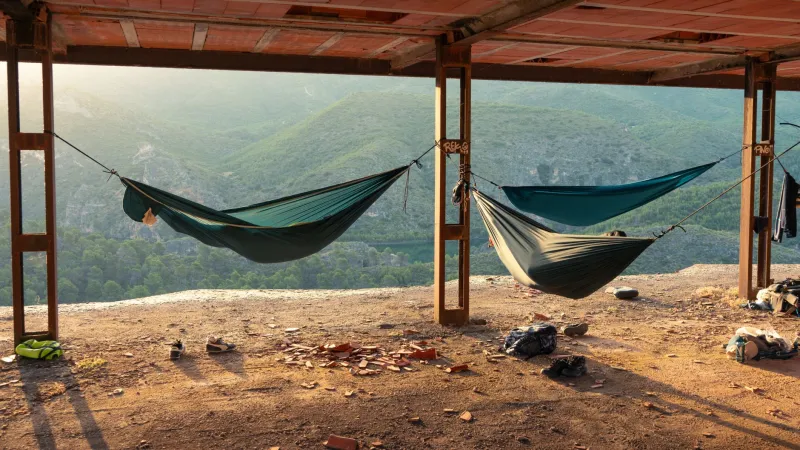
Valeria Ospina is twenty-eight years old and she hasn't slept properly in three weeks. Her eco-lodge — nine bamboo cabins on a hillside forty minutes from Tayrona's main entrance — opened six months ago, and she's already overbooked through the next dry season. She's also dealing with a composting toilet that stopped composting, a solar panel array that underperforms on cloudy days, and a guest who left a one-star review because the jungle was "too loud at night."
"I tell people when they book: this is not a hotel," she says, laughing in a way that suggests she's said this many times. "But people hear 'eco-lodge' and sometimes they think it means 'hotel with plants.'"
Valeria grew up in Barranquilla. She studied environmental engineering. She came to the Tayrona coast on a solo trip at twenty-three and didn't fully leave. What she found — and what she's now trying to share with paying guests — was a coastline that felt genuinely alive, and a local economy that she believed could sustain itself without sacrificing the thing that made it worth sustaining.
"I saw what was happening in other places," she says. "I didn't want to build that here."
The Boom Nobody Planned For
The towns ringing Tayrona National Park — Taganga, Palomino, El Zaino, the outskirts of Santa Marta — have been quietly transforming for the better part of a decade. International travel attention, a post-conflict safety improvement across much of Colombia, and the park's growing reputation among adventure travelers have combined to create something approaching a genuine tourism boom.
And a generation of young Colombians, many of them educated, many of them returning from cities or from abroad, is moving fast to build something in its wake.
The businesses emerging from this moment are notably different from the resort infrastructure that defines more developed Caribbean destinations. They tend to be small. They tend to be owner-operated. They tend to emphasize ecological awareness, local food sourcing, and cultural authenticity in ways that feel less like marketing copy and more like genuine conviction.
David Leal, twenty-six, runs a three-person kayaking and snorkeling company out of Taganga that he started with a business partner after both of them lost hospitality jobs during the pandemic. Their operation is certified through a Colombian eco-tourism program, and they've structured their pricing specifically to keep at least thirty percent of their client slots available to domestic Colombian travelers — a deliberate choice in an industry that often prices out the locals.
"This coast belongs to Colombians too," David says. "If we only serve foreigners, we're just building a different kind of exclusion."
What "Sustainable" Actually Costs
The word gets thrown around a lot in this part of Colombia. Sustainable. Eco-friendly. Responsible. And to be fair, the intention behind most of these businesses appears genuine. But the reality of building sustainably in a developing market is more complicated than any Instagram caption suggests.
Valeria's bamboo cabins cost nearly three times what a conventional concrete structure would have. Her composting systems require ongoing maintenance expertise she's had to import from Medellín. Her solar array, purchased secondhand, has been a source of ongoing headaches. Her profit margins are thin enough that one bad season could end everything.
"People think sustainable means cheap because it's natural," she says. "It's the opposite. It's expensive to do it right."
The pressure to cut corners is real and constant. And not everyone resists it. Across the region, the eco-label is increasingly being applied to businesses that don't meaningfully earn it — concrete construction with a garden out front, "locally sourced" menus that rely on the same industrial supply chains as everywhere else, "community tourism" experiences that don't actually pay the community.
Carolina Herrera, who consults with small tourism businesses in the Santa Marta region, sees this regularly. "The market rewards the story of sustainability more than the practice of it," she says. "And for young entrepreneurs under financial pressure, that's a dangerous gap."
The Character Question
Beyond the environmental calculus, there's a softer but equally serious concern: what happens to the feel of a place when it starts to work?
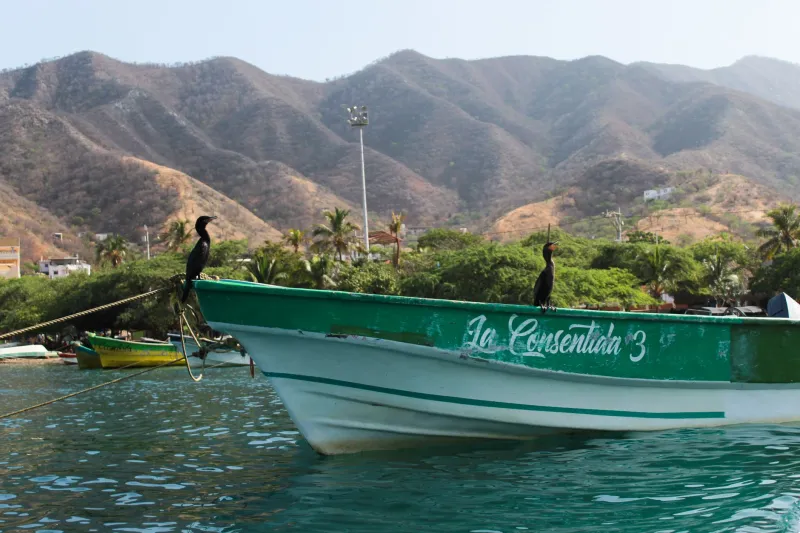
Taganga, once a fishing village known almost exclusively to backpackers willing to tolerate basic conditions, has changed visibly in the last five years. New restaurants with designed interiors. Boutique guesthouses with curated playlists. Prices that have drifted past the reach of the Colombian middle-class travelers who used to make up a significant portion of the crowd.
The young entrepreneurs building there are, in some cases, the agents of that transformation — and most of them are aware of the irony.
"I came here because it felt real," says Daniel Mora, twenty-nine, who opened a small restaurant in Taganga two years ago that focuses on coastal Caribbean cooking — coconut rice, fresh fish, fried plantain done the way his grandmother taught him. "Now I'm part of the reason it might stop feeling real. I think about that."
Daniel has made some deliberate choices in response: keeping his prices accessible, hiring exclusively from within the local community, refusing to change his menu to accommodate the smoothie-bowl crowd that has started appearing in town.
"My food is the food from here," he says. "If you don't want that, there are other places."
Something Worth Protecting
What makes the Tayrona entrepreneurial moment genuinely interesting — and genuinely uncertain — is that the people building it seem to understand the stakes in a way that previous tourism booms often didn't.
Valeria, David, Daniel, and dozens of others like them didn't stumble into this region chasing an opportunity they found in a market report. They came because they loved the place. And that love, complicated and imperfect as it is, seems to be functioning as a genuine constraint on the worst impulses of growth.
"I could expand," Valeria says, looking out at her nine cabins on the hillside, the jungle pressing in from all sides. "I have investors who want to talk. But I watch what's happening in other places and I think — more isn't better here. Better is better."
She pauses. A howler monkey announces itself from somewhere in the canopy above us.
"Also," she adds, "the monkey is free. That's part of the product. You don't get that if you build too big."