Put the Camera Down: How Tayrona Rewards the Traveler Who Actually Looks Up
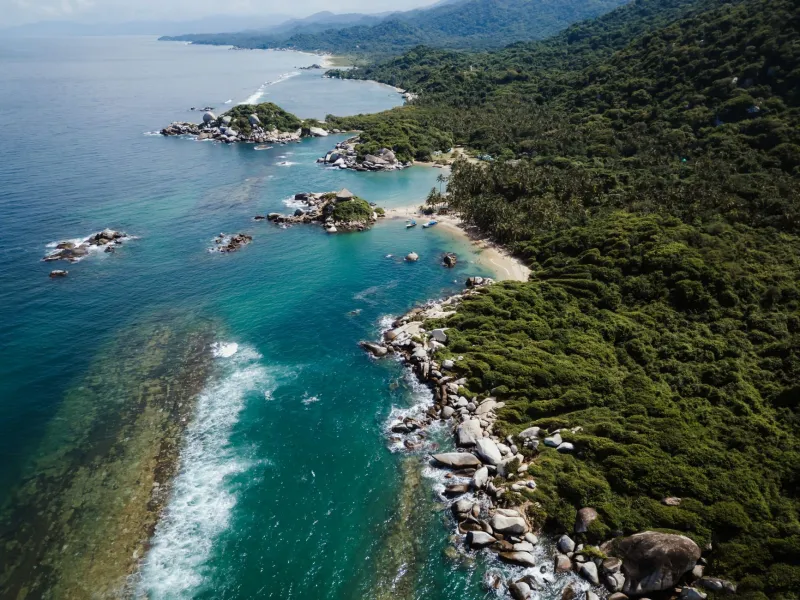
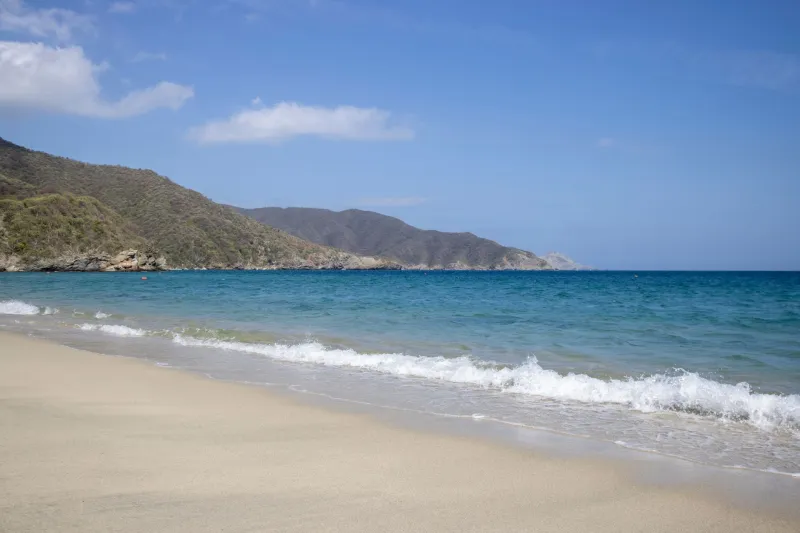
You've seen the photos. Turquoise water crashing against black boulders. A hammock strung between palms at golden hour. A howler monkey silhouetted against a jungle canopy that looks almost too green to be real. They're everywhere — on travel blogs, in Colombia tourism campaigns, scattered across the feeds of people you vaguely know from college who suddenly became "adventure travelers."
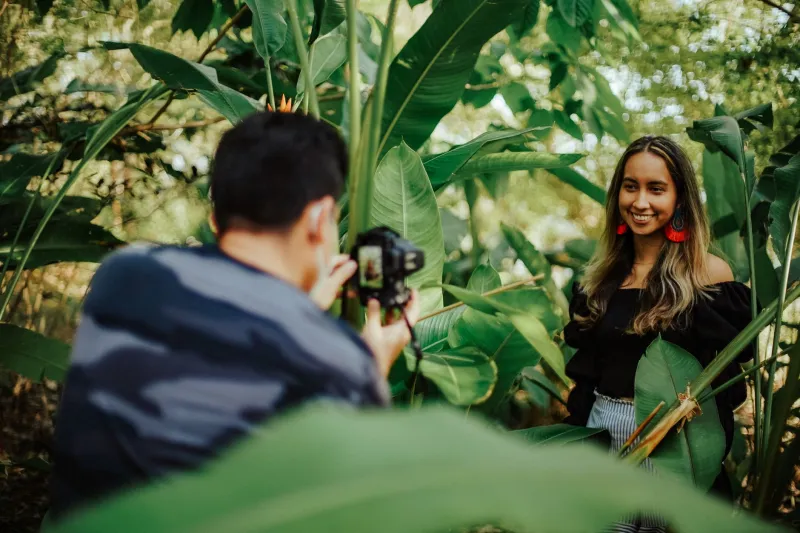
And so you show up to Tayrona National Park with your mirrorless camera, your phone gimbal, your carefully researched list of coordinates for the best viewpoints. You've got the golden hour times saved. You've got the hashtags ready.
Then something strange happens. The park doesn't cooperate.
The Trap Is Real — and Almost Everyone Falls Into It
Guides who've been walking Tayrona's trails for years describe a pattern they see constantly with visitors, especially Americans who've done their research. "They arrive already knowing what they want to photograph," says one local guide who leads treks through the park's interior. "They're looking for the image they saw online, not the place that's actually in front of them."
It sounds a little woo-woo until you experience it yourself. You hike forty minutes to Cabo San Juan, arrive at that famous rocky point, and immediately start scanning for the angle you've already seen a hundred times. You're so focused on replicating someone else's shot that you don't notice the frigatebird hovering directly overhead. You miss the moment when the light goes sideways through the palms and turns everything amber for about ninety seconds. You're staring at your screen when a group of capuchin monkeys decides to throw fruit at a tourist two feet to your left.
Tayrona doesn't pause for your composition. It just keeps moving.
Why the Park Breaks Your Usual Playbook
Part of what makes Tayrona so visually overwhelming — and so difficult to photograph well — is that it's genuinely, chaotically alive. This isn't a manicured resort beach where the light is predictable and the palm trees are positioned for effect. The park's ecosystems shift fast. Cloud cover rolls in off the Caribbean in minutes. Trails that were sun-dappled at 7 a.m. are cathedral-dark by 9. The animals move on their own schedule, which has nothing to do with yours.
Photographers who've spent serious time in the park tend to describe a learning curve that's less about technique and more about surrender. The best images come from slowing down enough to notice what's actually happening, not from chasing the composition you had in mind before you even left the trailhead.
One wildlife photographer who's documented Colombia's Caribbean coast for editorial clients put it this way: "I stopped making shot lists for Tayrona after my second trip. The park always had a better idea than I did."
What 'Presence' Actually Looks Like on the Trail
This isn't an argument for leaving your camera at the hostel. That's its own kind of performance — the performative unplugging that becomes just another thing to post about. The goal is something more practical.
Try this: pick one section of your hike and commit to walking it without touching your phone or camera. Not forever. Just for twenty minutes. What you'll notice — almost immediately — is how much you were filtering your experience through a screen without realizing it. The sounds come back. The smell of the jungle after rain. The specific quality of humidity that makes the air feel almost solid.
When you do pick the camera back up, you're not hunting anymore. You're just paying attention. And that shift, small as it sounds, changes what you see.
Guides consistently point out that the visitors who come back with the most interesting images are rarely the ones with the best gear. They're the ones who sat still long enough for the park to come to them.
The Practical Stuff (Because You Still Want Good Photos)
Okay, real talk. You traveled a long way to get here, and you want images that actually reflect what you experienced. Here's what actually works, according to people who know the park well:
Go earlier than you think you need to. The serious crowds at spots like La Piscina and Arrecifes don't arrive until mid-morning. If you're on the trail by 6:30 a.m., you're shooting in better light with fewer people and more wildlife activity. It's not a secret, but most tourists still don't do it.
Stop treating the hike as a delivery mechanism for the destination. Some of Tayrona's best visual moments happen on the trail itself — not at the beach everyone's heading to. The transition zones where jungle meets coastline, the creek crossings, the sections where the canopy closes overhead — these are worth your time.
Shoot what surprises you, not what you planned. If something catches your eye and you can't immediately explain why, that's usually the shot. The images that feel most like Tayrona — that actually transmit something about being there — tend to be the ones that weren't on anyone's shot list.
Give wildlife way more space than feels necessary. Beyond just being the right thing to do, animals that aren't stressed by your presence behave more naturally. A coati going about its business is infinitely more interesting than a coati frozen because you got too close.
Embrace the imperfect light. Overcast days in Tayrona aren't a photography failure. The diffused light in the jungle interior is often more interesting than harsh midday sun, and cloud cover over the water creates moody, layered shots that don't look like every other Caribbean beach photo.
The Part Nobody Talks About
Here's the thing that guides and experienced travelers in Tayrona keep coming back to: the photos you take when you're fully present in a place are different from the ones you take when you're performing the experience of being there. The difference is visible. Viewers can feel it, even if they can't explain why.
The images that actually capture what Tayrona is — raw, loud, ancient, indifferent to your schedule — tend to come from moments of genuine attention. Not from a tripod set up at a pre-researched GPS coordinate.
The park has been here for millions of years. It's not going to arrange itself for your grid. But if you slow down enough to actually meet it on its own terms, it will show you things that no shot list could have predicted.
That's the real magic of this place. And it's available to anyone willing to look up from their screen long enough to see it.