Forget the Hotel Menu: The Real Colombian Coastal Food Scene Hiding Around Tayrona
Here's a travel truth that nobody puts on a brochure: some of the most memorable moments of any trip happen at a plastic table under a hand-painted sign, eating something you almost talked yourself out of trying. Around Tayrona National Park and the Caribbean coast of Colombia, that truth hits especially hard. Because while the hotel breakfast buffets and beachside resort menus aren't bad, they're also not the reason you flew all the way here.
The real food story on Colombia's Caribbean coast is told in comedores (small family-run lunch spots), fish shacks with sand floors, and market stalls where the cook has been making the same recipe since before you were born. If you're willing to follow your nose a little, this stretch of coastline will completely rewire what you think Caribbean food is supposed to taste like.
Start in Santa Marta: The Comedor Is Your Best Friend
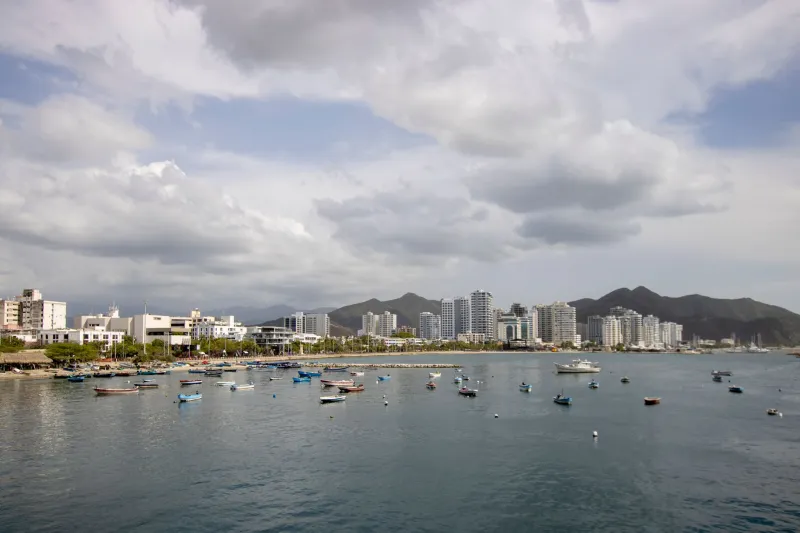
Santa Marta is the gateway city for most Tayrona visitors, and most people treat it like a layover — a place to sleep before the park. That's a mistake. The city's older neighborhoods, particularly around the Mercado Público and the streets just south of the historic center, are packed with comedores that fill up fast at lunchtime and empty out by two in the afternoon.
A typical comedor lunch runs you somewhere between 8,000 and 15,000 Colombian pesos — roughly two to four US dollars — and it usually comes with a soup course, a protein, rice, beans or lentils, a small salad, and fresh juice. The sopa de mondongo (tripe soup) might not be your first instinct, but it's worth trying at least once. Same goes for sancocho de pescado, a hearty fish broth with yuca, plantain, and corn that tastes like someone slow-cooked the entire Caribbean into a single pot.
The trick is to go where the locals go. If you see construction workers and office workers eating at the same spot, you've found the right place. Don't stress about the menu — just ask what's good today. Colombians love that question, and you'll almost always get an honest answer.
Ceviche That Will Make the Restaurant Version Back Home Feel Like a Lie
Let's talk about ceviche, because the version you'll find at beachside shacks near Tayrona is genuinely different from what most Americans are used to. Colombian Caribbean ceviche tends to be sweeter and a little saucier than the Peruvian-style versions that dominate US restaurant menus. It often uses shrimp or a mix of seafood, gets hit with fresh lime, a touch of ketchup (yes, really — trust the process), and sometimes a splash of coconut milk depending on who's making it.
Along the road between Santa Marta and the park entrance at El Zaino, you'll pass small vendors and open-air spots selling ceviche out of giant bowls, usually served in a plastic cup with crackers on the side. It's meant to be eaten standing up, in the heat, ideally while someone nearby is blasting vallenato. This is not a sit-down-and-contemplate experience. It's fast, cold, bright, and deeply satisfying in a way that's hard to explain until you've had it.
If you're staying in or near the Palomino area — a popular base for travelers exploring the eastern edges of Tayrona's surrounding coast — look for the women who set up near the beach with ice coolers. Their shrimp ceviche is often made fresh that morning with whatever came in from local fishermen.
Fried Fish, Coconut Rice, and the Holy Trinity of the Coast
If there's a dish that defines Caribbean Colombian cooking, it's the combination of pescado frito (whole fried fish), arroz con coco (coconut rice), and patacones (smashed, twice-fried green plantains). This trio shows up everywhere, from upscale restaurants in the Rodadero tourist zone to rickety shacks on the sand, and the quality gap between the two is often smaller than you'd expect.
The coconut rice is the detail that gets people. It's not sweetened like a dessert — it's savory, slightly nutty, and cooked down until the natural sugars in the coconut caramelize just a little at the bottom of the pot. That slightly crispy layer at the bottom is called cucayo, and it's considered the best part by everyone who grew up eating it.
For a genuinely local version of this meal, head toward the fishing village of Taganga, just a short ride from Santa Marta. It's gotten more touristy in recent years, but if you walk past the main beach strip and find a spot that's clearly feeding fishermen rather than Instagram travelers, you'll eat extremely well for very little money.
Fruit You've Never Heard Of and Juice You'll Dream About
One of the underrated food experiences on the Colombian Caribbean coast is the juice situation. Jugos naturales — fresh fruit juices blended with water or milk — are everywhere, and the fruit selection is genuinely unlike anything you'll find at a US grocery store. Corozo is a small, tart red berry native to the coast that makes a deep pink juice with a flavor somewhere between cranberry and tamarind. Noni, guanábana (soursop), maracuyá (passion fruit), and zapote all show up regularly, often in combinations you'd never think to order but end up being perfect.
Market stalls and juice carts near the Santa Marta market are the best places to experiment. Point at something you don't recognize and ask for a small one — un vaso pequeño. The vendors are almost always happy to explain what you're drinking, and it's one of those low-stakes ways to have a real interaction with someone who actually lives here.
A Note on Eating Inside the Park
Food options inside Tayrona National Park itself are limited and lean expensive relative to what you'll find outside. The vendors near Cabo San Juan and Arrecifes sell basics — arepas, fruit, coconut water, and some prepared food — but don't count on a full meal situation in there. The smarter move is to eat a solid breakfast before you enter and bring snacks for the trail. Save your appetite for the coast road on the way back.
The Bigger Point
Eating your way around Tayrona and the Colombian Caribbean coast isn't just about the food itself — though the food is genuinely great. It's about what happens when you sit down at a comedor and the cook asks where you're from, or when you're handed a juice made from a fruit that doesn't even have an English name yet. Those moments are the ones that make a trip feel like more than a checklist.
The tourist infrastructure around Tayrona is set up to keep you comfortable and contained. That's not always a bad thing. But the best version of this trip involves stepping outside that container a few times a day, following the smell of garlic and coconut, and eating something real.