Tayrona's Peak Season Is a Mob Scene — Here's the Month-by-Month Breakdown You Actually Need
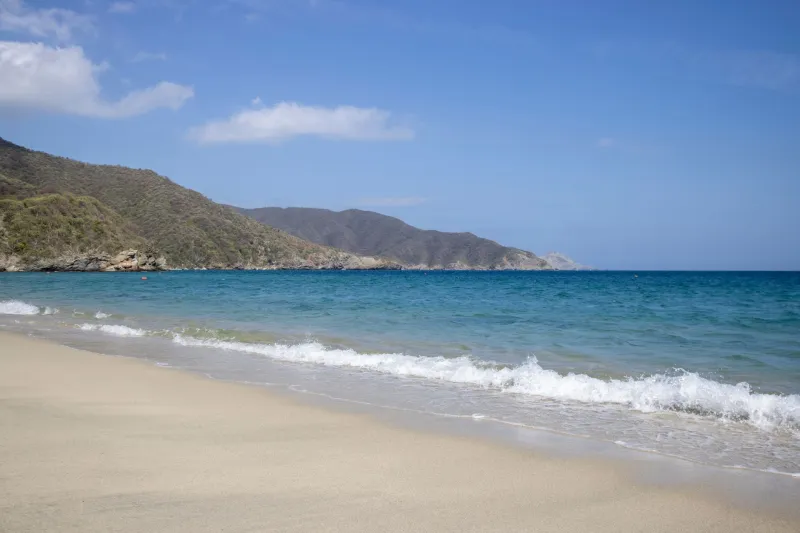
Let's be honest about something. The travel blogs have been recycling the same advice about Tayrona National Park for years: go in December, go in January, the dry season is your friend. And technically, that's not wrong. The weather is reliably sunny, the trails are dry, and the Caribbean is that particular shade of blue that makes your phone camera feel inadequate.
But here's what those same blogs leave out: Tayrona's dry season has become genuinely overwhelming. Colombian domestic tourism has exploded over the past decade, and international visitor numbers have climbed steadily since the country's security situation improved. The result? December and January in Tayrona now look less like a jungle paradise and more like a very sweaty music festival, minus the music.
If you're planning a trip from the US and you've been dreaming about waking up on a quiet beach with howler monkeys in the background, you need a more nuanced read on this park's seasonal rhythms. Here's the actual breakdown.
Why the Dry Season Has Gotten Out of Hand
Tayrona operates under an entry quota system — the Colombian national parks authority, Parques Nacionales Naturales, limits daily visitors to protect the ecosystem. That cap sounds reassuring until you realize that on peak days in December, those slots sell out weeks in advance. Visitors who don't pre-book online often show up at the gate and get turned away entirely.
The congestion isn't just at the entrance. The most photographed beaches — Cabo San Juan, Playa Cristal, Arrecifes — fill up fast. Hammock camps book out. The trails between beaches, which are genuinely beautiful and deserve your full attention, turn into single-file shuffles. It's not the end of the world, but it's a far cry from the wild, untamed coastal experience the park is famous for.
December through mid-January is the absolute peak, driven by Colombian school holidays, Christmas travel, and the arrival of North American and European tourists chasing winter sun. If you're flexible, this window is the one to avoid.
The Shoulder Seasons Nobody Talks About
Here's where it gets interesting. Tayrona actually has two dry seasons and two rainy seasons per year, which is somewhat unusual and creates more strategic options than most travelers realize.
February and March sit in a sweet spot that's criminally underrated. The first peak rush has faded, the weather is still predominantly dry, and Colombian school holidays haven't kicked back in. Wildlife activity is strong — this is a good period for bird sightings, and the vegetation is still lush from the previous wet season without being aggressively muddy. Visitor numbers drop noticeably, and while Cabo San Juan won't be empty, you'll actually be able to find your own patch of sand.
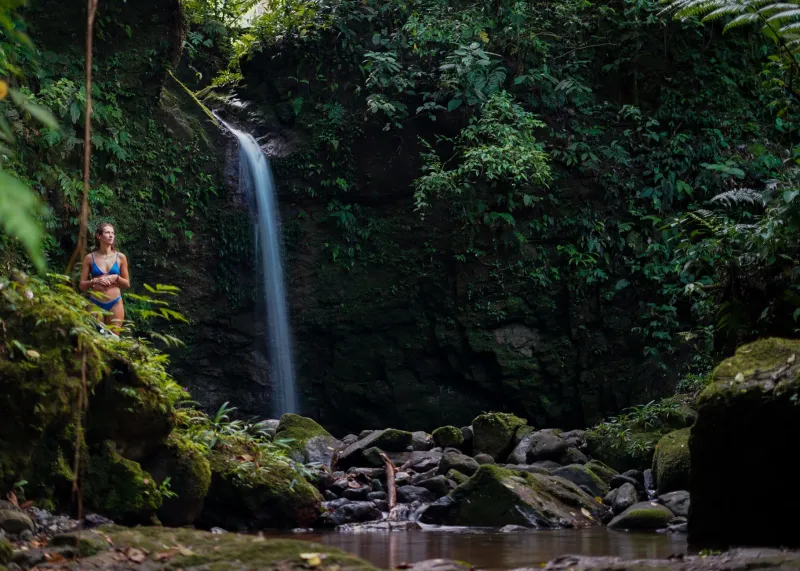
Late October and November represent the other shoulder window, sitting at the tail end of the main rainy season. Yes, you might get afternoon showers. But the park is genuinely quiet during this period, the jungle is absurdly green, and the rivers and waterfalls that cut through the park are running full and dramatic. Wildlife is active and easier to spot when the trails aren't crowded with noise. If you can handle the occasional downpour — and a decent rain jacket is all you really need — this is one of the most rewarding times to visit.
Month-by-Month Reality Check
January: Still peak season. Weather is excellent, but crowds from December carry over into the first half of the month. Book everything weeks ahead or expect frustration.
February: Crowds thin out significantly after mid-month. Weather remains dry and pleasant. One of the best overall months for a balanced experience.
March: Comparable to February, with slightly warmer temperatures. A genuine hidden gem month for US travelers who can travel mid-week.
April: The first rainy season begins to establish itself. Showers become more frequent but are rarely all-day affairs. Visitor numbers drop further. Good for budget-conscious travelers — accommodation prices soften.
May: The park partially closes during May and June for ecological recovery. This is a hard stop — check current closure dates before booking anything.
June: Closure typically continues. The park uses this time to manage trail erosion and wildlife disturbance from the busy season.
July and August: The park reopens and a brief secondary dry season arrives. Colombian families take vacations in July, so expect a moderate uptick in domestic tourism — busy but not overwhelming compared to December.
September: Quieter again as the second rainy season arrives. Similar vibe to April — manageable showers, reduced crowds, excellent value.
October: Rainy season peaks. The park is at its least visited. This is for travelers who genuinely don't mind getting wet and want the most immersive, solitary jungle experience possible.
November: Transitional month. Rain begins to ease. Crowds remain low. A strong option for anyone who wants the quiet of the off-season with improving weather odds.
December: Peak season returns hard. Book months ahead or reconsider entirely.
What the Weather Actually Means on the Ground
One thing worth clarifying for US visitors: "rainy season" in Tayrona doesn't mean non-stop rain. The Caribbean coast of Colombia tends to get concentrated afternoon and evening showers rather than all-day downpours. Mornings are often clear and usable regardless of season. The bigger practical concern during wet periods is trail conditions — some paths get slippery and the gear you'd want on a dry-season hike (trail runners, light pack) might need an upgrade to waterproof boots.
The upside of rain-season hiking is real, though. The jungle canopy smells extraordinary after a shower. The light filtering through wet foliage is the kind of thing photographers travel specifically to capture. And the wildlife — particularly birds and reptiles — tends to be more active in the cooler, post-rain hours.
The Strategic Play for US Travelers
If you're flying down from the States and want the best balance of weather, wildlife, and breathing room, February and early March are your strongest options. You'll get reliable sun, the park at a manageable crowd level, and prices that haven't spiked to holiday levels.
If you're more adventurous and genuinely want the park to yourself, late October or November will reward you — just pack accordingly and embrace the possibility of a midday rain delay as part of the experience rather than a disruption to it.
What you should probably stop doing is treating "dry season" as an automatic green light. In a park that's only gotten more popular, the most important variable isn't the weather anymore — it's the crowd. And right now, the crowd is very much a dry-season phenomenon.
Plan around that, and Tayrona will actually feel like the wild, untamed place it's supposed to be.