Tayrona Is One of Earth's Last Wild Places — And It's Quietly Disappearing
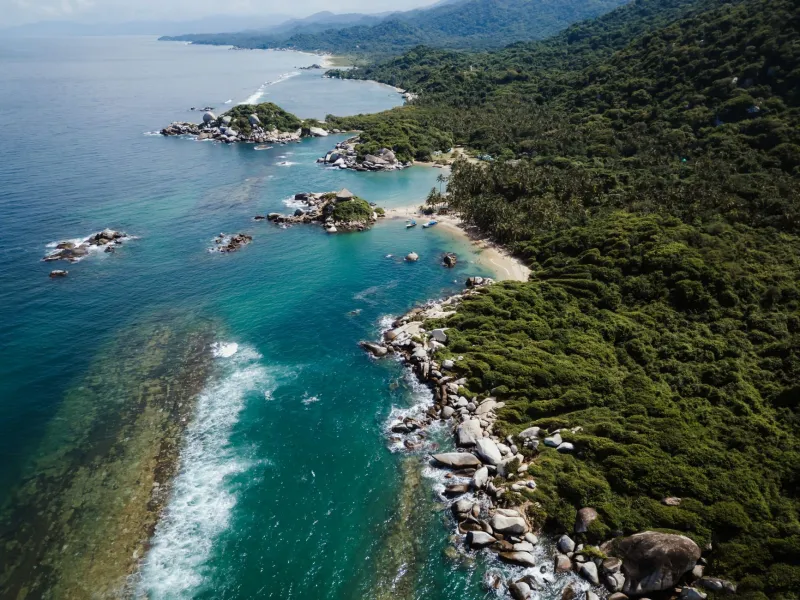
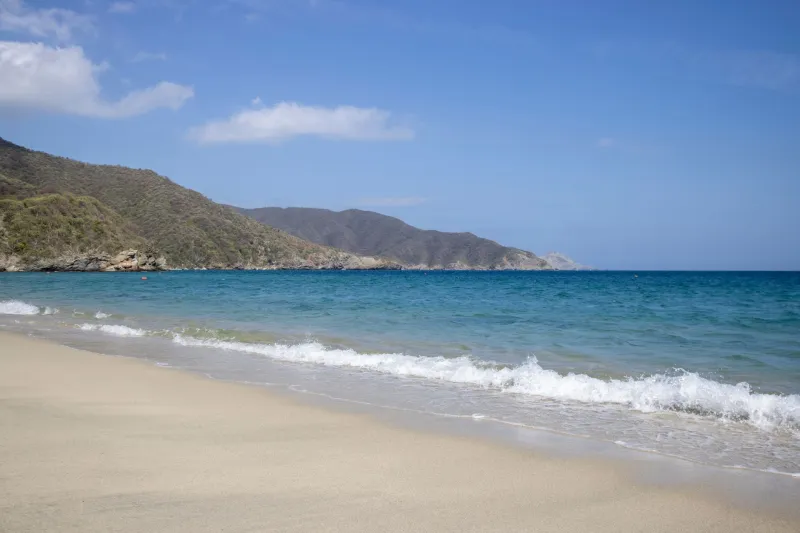
There's a version of Tayrona National Park that lives rent-free in the Instagram feeds of thousands of American travelers: turquoise bays framed by jungle-draped boulders, empty hammocks swaying between palms, the kind of coastline that makes you question every life decision that led you somewhere landlocked. That version is real. We're not going to pretend it isn't.
But there's another version of Tayrona that doesn't get nearly as many reposts — one where coral reefs are bleaching, where trails are eroding under foot traffic they were never designed to handle, and where the park's own management team is quietly sounding alarms about what unchecked tourism is doing to one of South America's most biodiverse coastal ecosystems.
Both versions are true. And if you're planning a trip, you deserve to know about both.
The Numbers Behind the Beautiful Photos
Tayrona became a protected national park in 1964, covering roughly 37,000 acres along Colombia's Caribbean coast. For most of its history, it stayed relatively obscure — known to backpackers and Colombian families, but not exactly on the mainstream American radar.
That changed fast. International tourism to Colombia surged through the 2010s, and Tayrona rode that wave hard. By the late 2010s, the park was receiving upward of 250,000 visitors annually — a figure that Colombian environmental authorities at Parques Nacionales Naturales began flagging as unsustainable. Specific beaches like Cabo San Juan del Guía and Playa Cristal started showing visible signs of degradation: trampled vegetation, stressed wildlife, water quality issues in areas where waste management infrastructure simply couldn't keep up.
The park now operates under an official visitor cap — a rotating closure system that shuts Tayrona down for several weeks each year to allow ecosystems to recover. It's a meaningful step. But conservation researchers working in the region have noted that even within permitted visitor windows, concentrated foot traffic in popular zones is creating localized damage that recovery periods struggle to fully reverse.
What's Actually at Stake
To understand why this matters, you have to understand what Tayrona actually is — not just as a pretty beach, but as an ecological system.
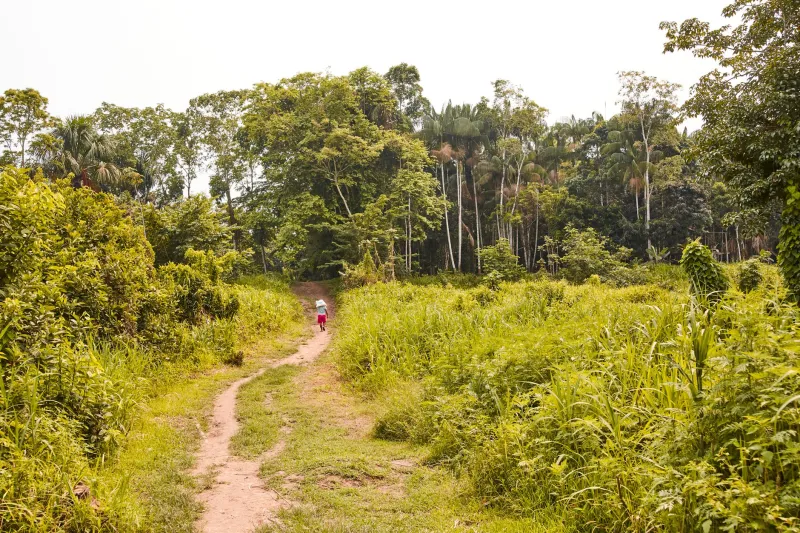
The park sits at the intersection of three distinct biomes: tropical dry forest, humid jungle, and coral reef. That overlap creates extraordinary biodiversity density. Jaguars still move through the interior. Howler monkeys wake you up at dawn. Migratory birds use the coastline as a critical rest corridor. Offshore, the reef systems support marine life that feeds local fishing communities who have lived along this coast for generations.
When tourism pressure spikes, the damage doesn't happen uniformly. It clusters. The same beaches that photograph beautifully are often the ones bearing the full weight of visitor impact — foot traffic compacting sand and disrupting nesting zones, snorkelers accidentally contacting coral, waste from food vendors accumulating faster than it can be properly handled. The interior jungle, meanwhile, stays relatively untouched — which tells you something about where the crowds actually go.
The Tension Nobody Talks About
Here's the uncomfortable paradox at the heart of this conversation: tourism dollars are also part of what funds Tayrona's protection.
Park entrance fees, guided tour revenue, and the broader economic activity generated by visitors create financial incentives for local communities and government agencies to maintain the park rather than exploit it for extractive industries. In a country where protected lands have historically faced pressure from agriculture, mining, and development interests, that economic argument matters. Communities around Tayrona — including Indigenous Kogui and Wiwa peoples whose ancestral territories overlap with the park — have complex, layered relationships with tourism that don't reduce neatly to "more visitors is bad."
So the question isn't really whether to visit. It's how, when, and with what level of intentionality.
How Your Specific Choices Actually Make a Difference
This is where travel writing often gets vague and preachy, so let's be concrete.
Timing matters more than you think. Visiting during shoulder season — April through May or October through November — reduces pressure on ecosystems during the peak crunch months of December through February and July through August. The park is still stunning. The crowds are thinner. The wildlife is often more active.
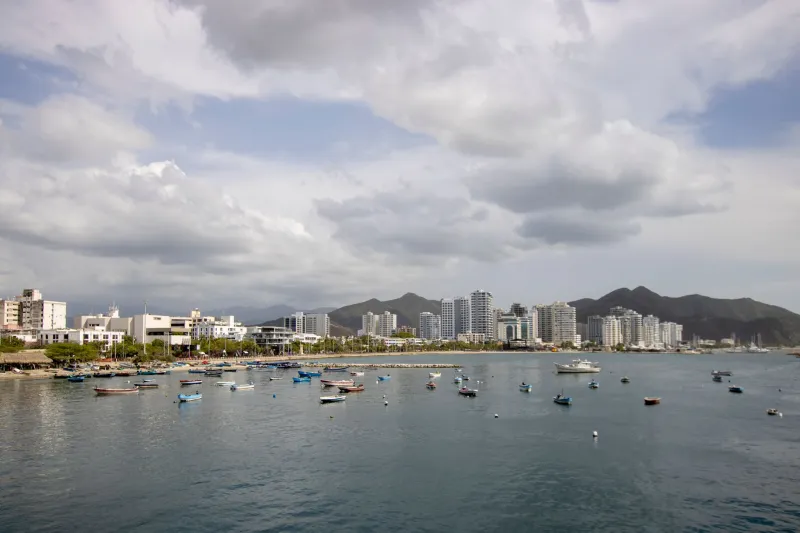
Where you sleep changes the equation. Staying inside the park at one of the officially permitted eco-camps or hammock facilities means your accommodation dollars go directly into the park's managed tourism system. Sleeping in Santa Marta or Taganga and day-tripping in is arguably more disruptive per visit because it concentrates your impact into fewer hours with less time to spread across the park's zones.
Hire local, certified guides. Beyond the obvious benefit of actually understanding what you're looking at, licensed guides are trained to keep groups on designated trails, away from nesting zones, and out of restricted areas. A good guide will also call out behavior from other visitors that's causing harm — something a solo traveler often doesn't feel empowered to do.
Skip Cabo San Juan on weekends. It's the most photographed spot in the park for a reason, but it's also the most pressured. Visiting on a weekday, arriving early, and spending time at less-trafficked beaches like Playa Brava or the quieter coves accessible on longer trail loops distributes impact more evenly.
Take the waste thing seriously. The park's waste infrastructure is genuinely strained. Pack out anything you pack in, use reef-safe sunscreen (Colombia has moved toward banning chemical sunscreens in marine protected areas), and if you're snorkeling, keep your hands to yourself around the reef.
What the Park Is Trying to Do
Parques Nacionales Naturales has implemented several structural changes in recent years beyond the annual closure periods. Zoning restrictions have tightened in the most ecologically sensitive areas. Some beaches now have hard caps on daily visitor numbers enforced through timed entry systems. There are ongoing conversations about expanding the buffer zones around coral reef areas and increasing investment in trail infrastructure to reduce erosion.
None of it is moving as fast as the tourism growth curve. That's the honest reality. But it's not nothing, either.
Several Colombian conservation NGOs are also working in and around the park on reef restoration projects and wildlife corridor preservation — efforts that travelers can support directly through donations or by choosing tour operators who contribute a portion of revenue to these programs.
The Honest Bottom Line
Tayrona is worth visiting. We genuinely believe that — it's part of why this site exists. The Colombian Caribbean coast offers something that's increasingly rare in a world where "untouched" destinations are mostly a marketing myth: a place where wild ecosystems and human presence still exist in something approaching balance.
But that balance is fragile, and it's tilting. The travelers who show up informed, who make deliberate choices about timing and behavior, who spend money in ways that support rather than strain the park — those are the visitors who get to be part of Tayrona's story without being part of its damage.
The park has been here for millions of years in one form or another. Whether it looks anything like this in fifty more depends, in part, on decisions being made right now by people exactly like you.