From Crops of Conflict to Cups of Coffee: The Quiet Reinvention of the Farms Above Tayrona
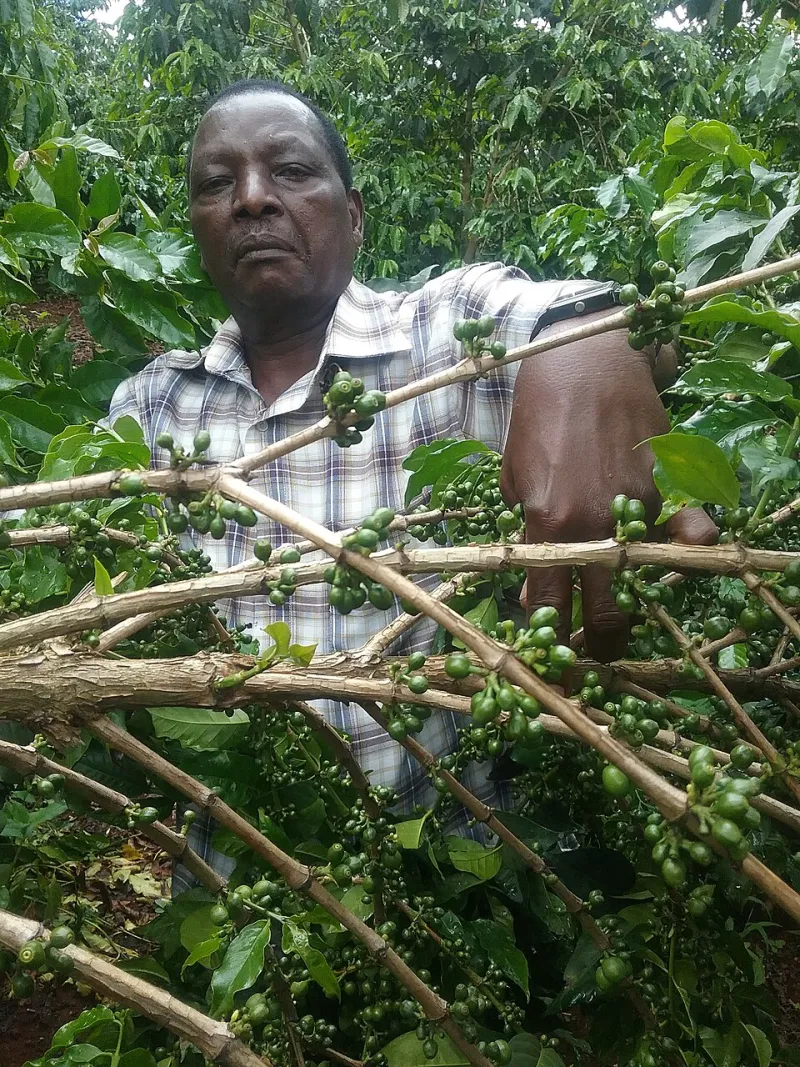
Photo: Steve Mbogo, CC BY-SA 4.0, via Wikimedia Commons
The road out of Minca climbs through a landscape that doesn't advertise its past. Banana plants lean over the trail. Shade trees shelter rows of coffee bushes heavy with red cherries. A farmer named Don Álvaro cracks open a cacao pod, offers you the white pulp inside to taste, and talks about fermentation temperatures the way a Napa vintner talks about oak barrels.
Twenty years ago, some of these same hillsides grew something very different. The Sierra Nevada de Santa Marta — the isolated coastal mountain range that towers over Tayrona National Park — spent decades as part of Colombia's conflict geography. Coca and, in some areas, the violence and economics that followed it were simply part of the terrain. Today, many of those same fincas host travelers from Atlanta and Denver for coffee tastings and cacao workshops, and tourism has quietly become one of the region's most important crops.
How the Switch Actually Happened
The story isn't as simple as farmers swapping crops overnight. Crop-substitution programs, government stabilization efforts, and — crucially — the arrival of specialty coffee buyers changed the math. Arabica grown at elevation in the Sierra Nevada can fetch serious money on the specialty market, especially when it's shade-grown and bird-friendly. Cacao followed a similar path, riding the craft-chocolate boom in the United States.
But the crop was only half the equation. The other half was visitors. As Tayrona and Santa Marta became fixtures on American travel itineraries, farmers discovered that the tour itself — walking the rows, picking cherries, roasting beans over a wood fire — had real value. A finca that once earned pennies per pound from intermediaries could now earn a day's income from a handful of guests, several times a week.
What a Finca Visit Actually Looks Like
Most agrotourism experiences around Minca and the foothills follow a familiar arc: a guided walk through the farm, an explanation of harvesting and processing, and a tasting at the end. The good ones go deeper. You'll learn how altitude and shade affect flavor, why the region's birdlife and coffee farming depend on each other, and how families financed the transition away from illicit crops.
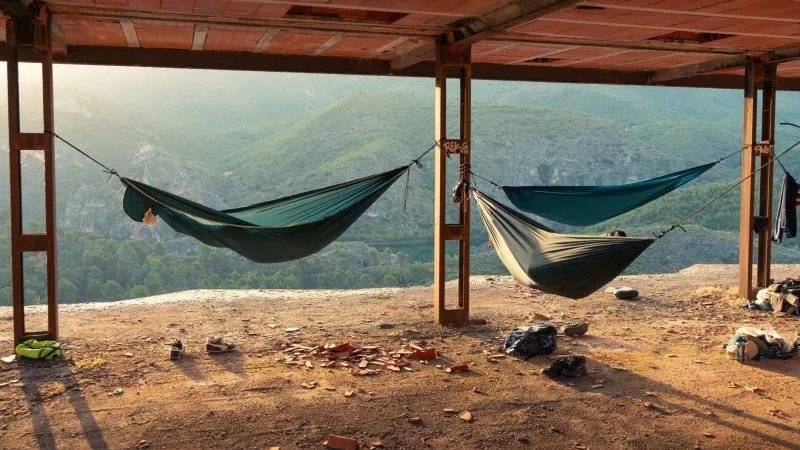
Some farms offer overnight stays — simple rooms, home-cooked meals, and sunsets that stretch across the entire Caribbean coastline below. For travelers based in Tayrona or Santa Marta, a day trip works too: most tours run three to five hours and pair naturally with a waterfall hike.
The wildlife angle deserves mention, because it's inseparable from the farming. Shade-grown coffee preserves canopy that migratory birds — including species that summer in American backyards — depend on. Your cup of Sierra Nevada coffee is, in a very literal sense, connected to the birds at your feeder in Chicago.
The Questions Worth Asking Before You Book
Agrotourism is booming, and not every operation is created equal. A few things to look for:
- Who keeps the money? Ask whether you're booking directly with the farm or through an intermediary, and whether local guides are employed.
- What's the story, honestly told? The best fincas don't dramatize the conflict past or sanitize it. They talk about it plainly, on their own terms. Be a listener, not an interviewer.
- Is the wildlife claim real? Genuine shade-grown, bird-friendly certification exists. If a farm claims it, they can usually point to it.
- Group size. A dozen people tramping through a small family farm helps no one. Smaller groups mean better visits and better pay per visitor.
The Second Act Isn't Finished
It would be tidy to say tourism has fully rewritten this region's story. It hasn't. Rural economies in the Sierra Nevada remain fragile, and the gains of the last two decades are not evenly shared. But spend an afternoon on a finca watching a farmer explain — with obvious pride — how his coffee now ships to roasters in Portland and Austin, and you understand what's actually happening here.
The land didn't change. The people didn't move. What changed is what the world will pay for, and who gets to tell the story. For a traveler, that's a rare thing to witness up close — and an even rarer thing to support with your wallet while drinking one of the better cups of coffee of your life.